







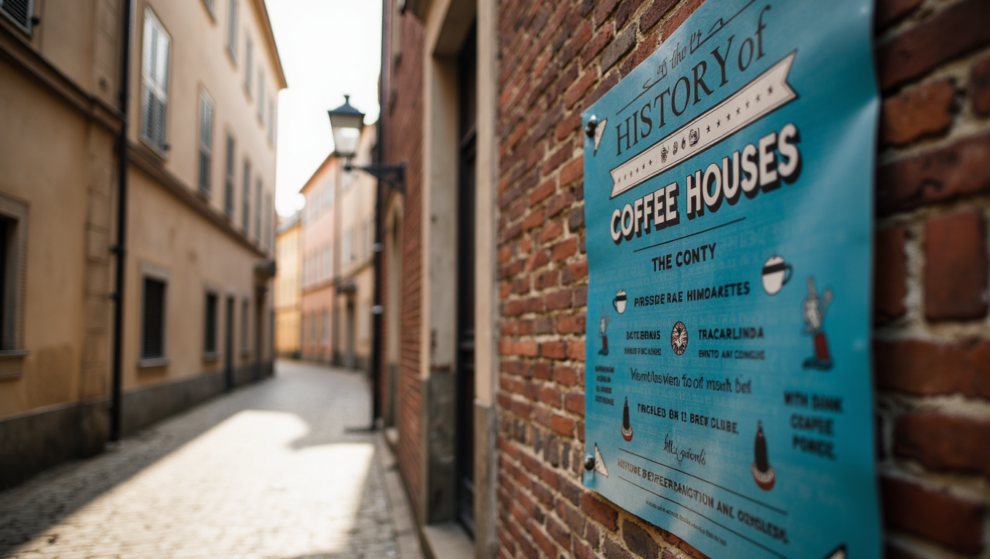


The history of coffee houses is a fascinating journey through culture, conversation, and community. From their humble beginnings in the Middle East to their spread across Europe and the rest of the world, coffee houses have long been more than places to drink coffee—they have been centers of intellectual exchange, political discussion, and social connection. The origin of coffee houses dates back to the 15th century in the Arabian Peninsula, particularly in cities like Mecca and Constantinople (modern-day Istanbul). These early establishments, often called qahveh khaneh, quickly became popular gathering spots where people shared news, discussed ideas, listened to music, and enjoyed storytelling, marking the beginning of a vibrant coffee house culture.
As coffee traveled to Europe in the 17th century, coffee houses began to flourish in cities such as Venice, London, Paris, and Vienna. European coffee houses gained the nickname “penny universities” in England because, for the price of a cup of coffee, patrons could engage in stimulating conversations and learn from scholars, writers, merchants, and politicians. Many historic events and ideas were shaped within these walls, including business ventures, scientific discoveries, and political movements. Famous coffee houses like Lloyd’s of London started as simple meeting places and later grew into major institutions. These establishments played a significant role in shaping modern society by encouraging debate, creativity, and innovation.
Over time, coffee houses continued to evolve, adapting to social and cultural changes while preserving their core purpose as communal spaces. In the 19th and 20th centuries, historic cafés became artistic hubs where poets, philosophers, and revolutionaries gathered. Today, modern coffee shops blend tradition with technology, offering Wi-Fi and comfortable spaces for work and relaxation. Despite these changes, the legacy of early coffee houses remains strong—they continue to serve as welcoming environments where ideas are born, friendships are formed, and communities thrive. The enduring appeal of coffee houses lies not only in the beverage itself but in their timeless role as centers of human connection and conversation.