








1. Introduction
Coffee in India is more than just a beverage—it is a cultural and economic story shaped over centuries. Unlike tea, which dominates daily consumption, coffee has carved a unique identity in southern India and among urban populations. Its journey from a sacred mountain discovery to a global export crop reflects trade, colonial influence, and changing lifestyles.
2. Origin and Arrival in India
Coffee is believed to have originated in Ethiopia and later spread through the Arabian Peninsula before reaching Europe and Asia. In India, coffee was introduced in the 17th century by a Sufi saint named Baba Budan, who is said to have smuggled seven coffee beans from Yemen while returning from pilgrimage. He planted them in the hills of Chikmagalur in Karnataka, marking the beginning of coffee cultivation in India. These hills, now known as Baba Budangiri, became the birthplace of Indian coffee farming.
3. Growth and Historical Development
During the British colonial period, coffee plantations expanded significantly, especially in Karnataka, Kerala, and Tamil Nadu. The British developed large estates for commercial production and export. Over time, coffee became an important cash crop, contributing to rural employment and regional economies. After independence, India continued to expand coffee production, with the Coffee Board of India playing a major role in regulation and export promotion.
4. Who Consumed Coffee in India
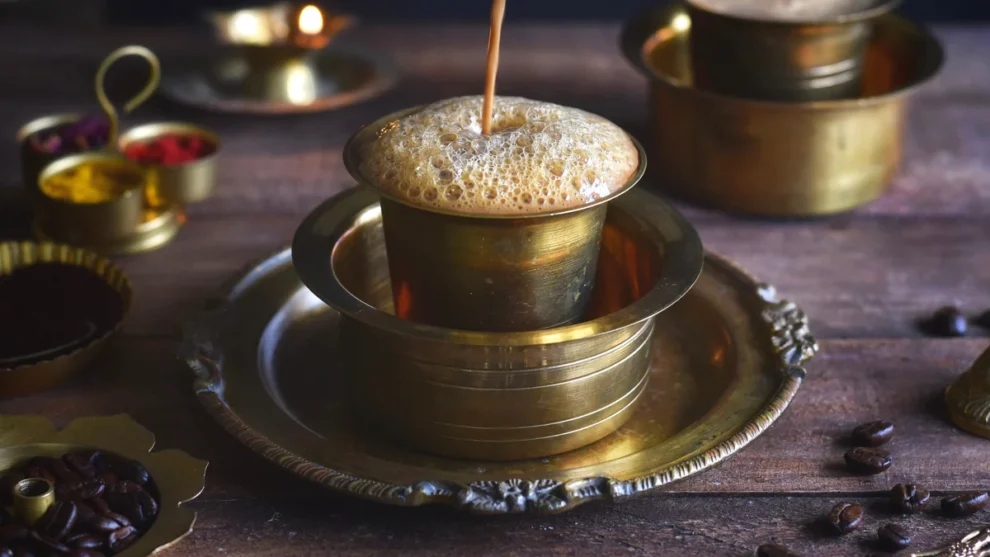
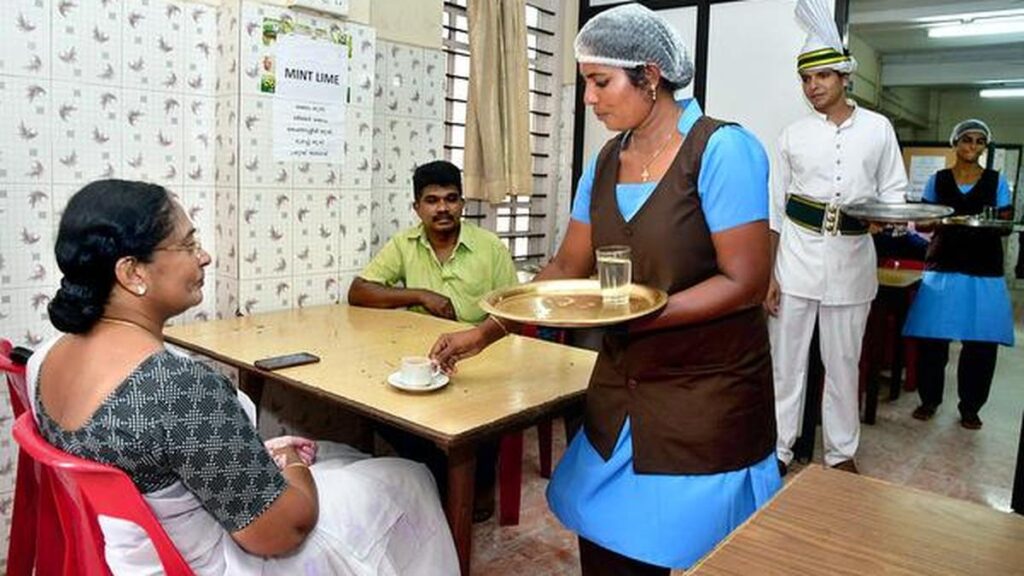
Initially, coffee consumption was limited to plantation owners, colonial administrators, and urban elites. In South India, however, it quickly became a household staple, especially in states like Karnataka, Tamil Nadu, and Kerala. Traditional filter coffee (South Indian “kaapi”) became deeply embedded in daily life. Today, coffee is widely consumed across all social classes, especially in urban cafés and fast-growing youth culture.
5. Benefits of Coffee
Coffee offers several health and lifestyle benefits when consumed in moderation. It is rich in antioxidants and helps improve alertness, focus, and mental performance due to its caffeine content. Studies also suggest that coffee may reduce the risk of diseases such as Parkinson’s, Type 2 diabetes, and certain liver conditions. Socially, coffee acts as a connector—fueling conversations, business meetings, and cultural exchanges.
6. Disadvantages and Concerns
Despite its benefits, excessive coffee consumption can lead to negative effects. High caffeine intake may cause anxiety, insomnia, increased heart rate, and digestive issues. Dependency on caffeine can also result in withdrawal symptoms like headaches and irritability. In plantation regions, environmental concerns such as deforestation, pesticide use, and labor exploitation have also been associated with coffee farming practices.
7. Price and Economic Value
Coffee prices in India vary depending on quality, type, and market demand. Domestic filter coffee is generally affordable, while specialty coffees and café beverages in urban areas can be expensive. On the production side, India is one of the major coffee exporters, with Arabica and Robusta being the primary varieties. Global price fluctuations significantly impact farmers, making coffee both a valuable and volatile cash crop.
8. Coffee in Indian Society Today
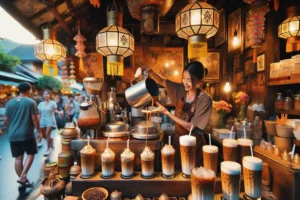
Today, coffee plays an important role in modern Indian society. It bridges traditional culture and contemporary urban lifestyle. From roadside filter coffee stalls in the South to premium café chains in metropolitan cities, coffee reflects diversity in taste and class. It has also become part of social identity, especially among students and professionals who use cafés as spaces for work, study, and social interaction.
9. Conclusion
The history of coffee in India is a blend of legend, colonial expansion, agricultural development, and modern consumer culture. From its introduction by Baba Budan to its role in today’s global economy, coffee continues to evolve. It remains not only a drink but also a symbol of connection, productivity, and cultural richness in Indian society.