








1. Introduction
Coffee in Thailand has grown from a relatively minor agricultural product into an important part of modern lifestyle and café culture. Today, it is enjoyed across the country in both traditional Thai-style preparations and international café formats. Thailand’s coffee story reflects agricultural innovation, cultural adaptation, and the rise of a vibrant urban coffee scene.
2. Origins and Introduction of Coffee
Coffee was introduced to Thailand in the early 20th century, influenced by global trade and neighboring coffee-growing regions. Initial cultivation efforts were supported by the Thai government as part of agricultural diversification programs. Arabica coffee was first introduced in the northern highlands, while Robusta later became more common in southern regions due to its suitability for tropical climates.
3. Development of Coffee Farming
Thailand began serious coffee cultivation in the mid-20th century, especially under royal agricultural development projects aimed at replacing opium farming in the northern hill regions. Areas such as Chiang Mai, Chiang Rai, and Mae Hong Son became key coffee-growing zones. These initiatives helped local communities shift toward sustainable livelihoods, and Thai coffee gradually gained recognition for its quality and unique flavor profiles.
4. Who Consumed Coffee in Thailand
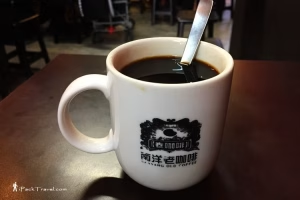
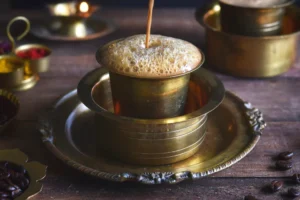
Initially, coffee consumption in Thailand was limited to urban elites, government officials, and foreign communities. Over time, it became popular among local middle-class populations and street vendors. Traditional Thai coffee, often strong and sweetened with condensed milk, became widely available in street stalls. Today, coffee is consumed by people of all social groups, from rural villagers to urban professionals and tourists.
5. Benefits of Coffee
Coffee provides several benefits when consumed in moderation. It enhances alertness, improves concentration, and supports mental performance due to its caffeine content. Thai coffee culture also emphasizes energy and refreshment, especially in a hot climate where iced coffee drinks are popular. Additionally, coffee contains antioxidants that may contribute to overall health and wellness.
6. Disadvantages and Health Concerns
Excessive coffee consumption can lead to negative effects such as insomnia, anxiety, rapid heartbeat, and digestive discomfort. In Thailand, many popular coffee drinks are heavily sweetened, which can increase sugar intake and contribute to obesity and diabetes risks. Overreliance on caffeine may also lead to dependency and withdrawal symptoms like fatigue and irritability.
7. Price and Coffee Market in Thailand
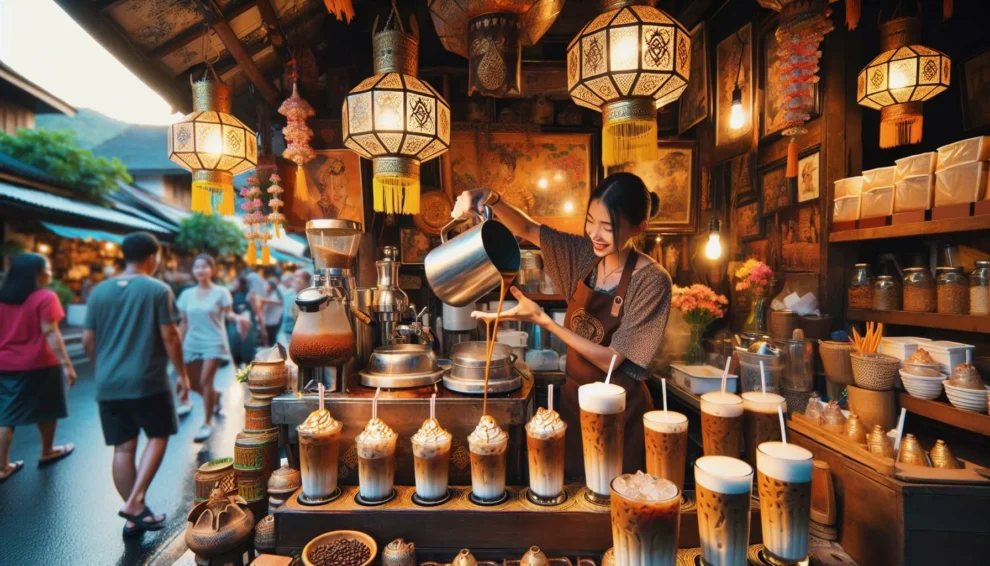
Coffee in Thailand is available in a wide price range, from inexpensive street-side iced coffee to premium specialty café drinks. Street coffee remains highly affordable and widely accessible, making it part of daily life for many people. At the same time, Thailand’s café industry has grown rapidly in cities like Bangkok and Chiang Mai, where specialty coffee shops offer high-quality beans, artisan brewing methods, and premium pricing. Thailand is also emerging as a recognized coffee producer, especially for high-quality Arabica beans from northern regions.
8. Coffee in Thai Society Today
Today, coffee plays an important role in Thai society, blending tradition, agriculture, and modern lifestyle. Street coffee vendors remain a cultural staple, offering quick and affordable drinks to locals. Meanwhile, the modern café culture has expanded rapidly, especially among young people who use coffee shops as spaces for socializing, studying, and remote work. This combination of traditional and modern coffee culture reflects Thailand’s dynamic social transformation.
9. Conclusion
The history of coffee in Thailand reflects a journey of agricultural development, cultural adaptation, and modern growth. From government-supported farming in the highlands to vibrant café culture in urban centers, coffee has become an important part of Thai life. Today, Thailand stands as both a growing coffee producer and a strong consumer market, where coffee continues to connect people, culture, and daily living.