







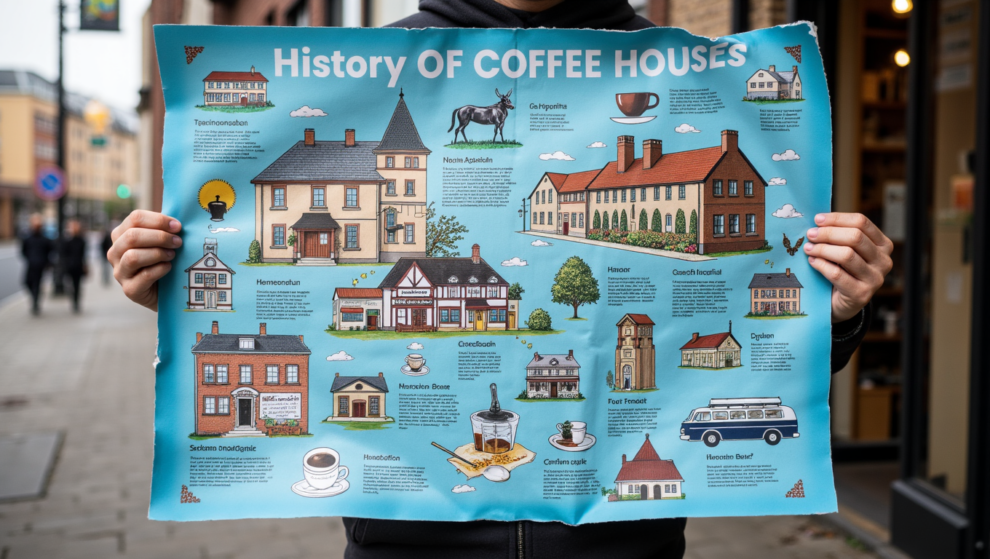


The Rich Journey of Coffee House History
The world of coffee has always been more than just a beverage; it is a cultural experience steeped in tradition and social significance. The coffee house history dates back centuries, reflecting how societies gathered, conversed, and influenced cultural and political life. From its humble beginnings in the Middle East to becoming a global phenomenon, the history of coffee houses is a fascinating story of evolution, innovation, and heritage.
The origin of coffee houses can be traced back to the 15th century in the Middle East, particularly in Yemen and the Ottoman Empire. These early establishments served as centres for intellectual exchange and social interaction. Known as early coffee houses, they provided a space where scholars, artists, and merchants would meet to discuss ideas, listen to music, and even engage in debates. This unique blend of leisure and learning gave rise to the vibrant coffee house culture that spread across continents.
As coffee spread along trade routes, the concept of old coffee houses began to flourish in Europe. By the 17th century, 17th century coffee houses emerged prominently in cities like London, Paris, and Vienna. These establishments were not merely places to drink coffee but hubs of intellectual discourse. London’s coffee houses, for example, were often called “penny universities” because, for the price of a cup of coffee, patrons could access a wealth of knowledge and ideas. This period marked a significant point in coffee house development, where coffee houses became central to urban social life.
The evolution of coffee houses continued as the beverage became increasingly popular in Europe. Each city and country adapted coffee house traditions to fit local tastes and customs. The coffee house timeline reveals how these establishments transformed over time, from small, modest shops to grand, architecturally significant spaces that hosted literary salons and political discussions. The coffee house architecture of the era reflected the importance of these establishments, often featuring elegant interiors, ornate furnishings, and comfortable seating designed to encourage extended conversations.
Throughout history, historic coffee shops have played pivotal roles in society. For instance, Vienna’s Café Central became a meeting place for writers, thinkers, and revolutionaries, contributing to the city’s rich intellectual and cultural history. Similarly, in Paris, historic cafés such as Café Pro cope witnessed the birth of Enlightenment ideas, serving as venues where philosophers and artists exchanged revolutionary thoughts. These examples highlight the coffee house significance in shaping cultural and intellectual life across Europe.
The spread of coffee houses also had a profound social impact. They provided inclusive spaces where people from different backgrounds could gather, transcending social and economic boundaries. The coffee house cultural history reflects this role, showing how coffee houses became centres for debate, learning, and community engagement. In the Middle East, traditional coffee houses continue to maintain their social function, preserving coffee house traditions worldwide that date back centuries.
Stories and anecdotes from coffee house stories offer a glimpse into the dynamic lives that unfolded within these walls. From political conspiracies plotted over cups of coffee to artistic collaborations that led to iconic works of literature, coffee houses have always been more than places to enjoy a beverage. They are living archives of cultural history, embodying the coffee house legacy passed down through generations.
The famous coffee houses history is rich with notable examples that have left a lasting mark on society. London’s Lloyd’s Coffee House, for instance, eventually evolved into Lloyd’s of London, the famous insurance market. This transformation illustrates the broader economic influence of coffee houses beyond their cultural and social roles. Similarly, Café de Flores in Paris became a hub for existentialist thinkers like Jean-Paul Sartre and Simone de Beauvoir, cementing its place in coffee house heritage.
The coffee house origins in Europe and the Middle East differ slightly but share a common thread of fostering social interaction. In the Middle East, coffee houses often featured live music, storytelling, and games of chess, emphasising leisure and community. In contrast, European coffee houses became centres of commerce, intellectual debate, and political discussion. This duality underscores the multifaceted nature of coffee houses and their ability to adapt to local cultural contexts.
Examining coffee house historical facts reveals intriguing insights into their societal impact. For instance, the role of coffee houses in disseminating newspapers and pamphlets was crucial in promoting literacy and public discourse. Patrons could read the latest news, discuss politics, or debate philosophical ideas, contributing to the democratization of knowledge. This aspect of coffee house evolution highlights their importance beyond mere consumption of coffee.
The architectural grandeur of antique coffee houses also tells a story of their cultural value. Many were designed to impress visitors, featuring large windows, high ceilings, and ornate decor. These spaces were carefully crafted to create a welcoming environment for prolonged conversation, reflection, and socialising. The attention to design and ambience became an integral part of coffee house traditions, influencing modern café layouts even today.
In modern times, the history of cafés continues to inspire new trends in coffee culture. Contemporary coffee houses draw from centuries of tradition while incorporating modern innovations in brewing, design, and customer experience. The enduring appeal of coffee houses lies in their ability to serve as spaces where people connect, relax, and engage with culture. This continuity ensures that the coffee house legacy remains relevant, bridging the gap between past and present.
From their coffee house timeline in the Middle East to their development in Europe and beyond, the story of coffee houses is a testament to human creativity, social ingenuity, and cultural exchange. Coffee house traditions worldwide highlight the shared love of coffee and conversation that transcends borders, uniting people through a simple yet profound ritual.
In conclusion, the coffee house history is a vibrant tapestry woven from centuries of social, cultural, and intellectual activity. The history of coffee houses illustrates how a simple drink evolved into a global institution, shaping societies and influencing generations. From early coffee houses in the Middle East to historic cafés in Europe, these establishments have left an indelible mark on human history. The coffee house evolution continues today, reflecting both the rich past and the innovative future of this cherished cultural phenomenon. Understanding the coffee house significance allows us to appreciate not just the beverage itself, but the enduring spaces of community, creativity, and connection that coffee houses have fostered throughout history.