






The Enduring Legacy of Great Spanish Literature
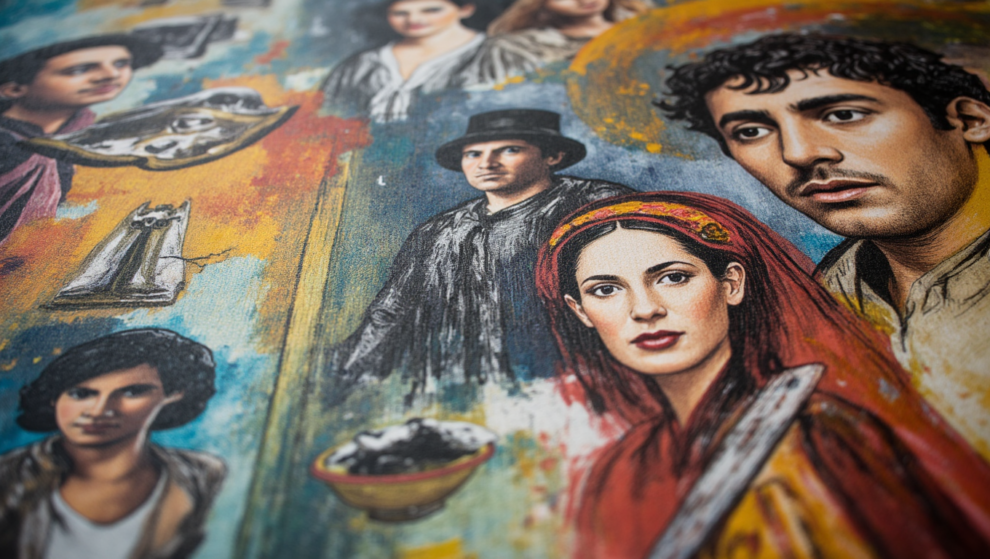
Great Spanish literature stands as one of the richest and most influential traditions in world culture. From heroic medieval epics to groundbreaking modern novels, Spain has produced an extraordinary range of works that reflect its complex history, diverse regions, and powerful imagination. The evolution of Spanish literature history reveals a journey through conquest, faith, empire, revolution, and modern transformation. Across centuries, Spanish literary masterpieces have shaped global storytelling and inspired readers far beyond the Iberian Peninsula.
Medieval Foundations and Spanish Epic Poetry
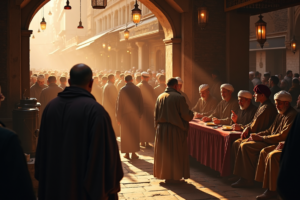
The roots of medieval Spanish literature stretch back to the early Middle Ages, when oral traditions were transformed into written narratives. One of the earliest examples of Spanish epic poetry is the Poem of the Cid, attributed to the legendary figure El Cid. This epic tells the story of honor, exile, and redemption, establishing enduring themes that would continue throughout Spanish literature themes and symbolism.
Religious writings, courtly poetry, and didactic tales also flourished during this era. These early works laid the foundation for later Spanish literary movements, blending Christian, Islamic, and Jewish influences into a uniquely Spanish voice.
The Brilliance of the Golden Age
The 16th and 17th centuries marked the height of Golden Age Spanish literature. During this time, Spain’s political and cultural power was mirrored by an explosion of creativity. The most celebrated figure of this period is Miguel de Cervantes, whose novel Don Quixote remains one of the best Spanish books of all time. Any serious Cervantes Don Quixote analysis reveals how the novel brilliantly parodies chivalric romances while exploring reality, illusion, and human idealism.
The Golden Age also produced remarkable achievements in Spanish drama and theatre. Playwrights such as Lope de Vega and Pedro Calderon de la Barca transformed the stage with complex characters and philosophical depth. At the same time, Spanish baroque literature introduced elaborate style, intricate metaphors, and profound moral questioning.
In poetry, masters like Luis de Gongora shaped Spanish poetry classics with ornate language and rich symbolism. This era firmly established Spain as a powerhouse of world literature.
Spanish Romanticism and Realism
As Spain entered the 19th century, new ideas reshaped its literary direction. Spanish romanticism literature emphasized emotion, individual freedom, and rebellion against tradition. Writers explored themes of passion, nationalism, and existential longing.
Later in the century, Spanish realism novels emerged as authors began focusing on social issues and everyday life. A leading figure of this movement was Benito Perez Galdos, whose detailed portrayals of Madrid society remain central to discussions of classic Spanish novels. Realist writers examined class divisions, political instability, and moral dilemmas with sharp observation and psychological depth.
These movements reflected broader European trends while maintaining a distinctly Spanish perspective shaped by the nation’s unique history.
Modernism, Symbolism, and Existential Reflection
The early 20th century brought experimentation and innovation. Spanish modernist literature sought new artistic forms and fresh expressions of identity. Influenced by global currents, writers challenged conventional narrative techniques and embraced symbolism and abstraction.
One of the most powerful poetic voices of this era was Federico Garcia Lorca. His work exemplifies Federico Garcia Lorca poetry, blending folklore, surreal imagery, and tragic beauty. Lorca’s writings reflect the tension between tradition and modernity, a recurring element in Spanish literature themes and symbolism.
During and after the Spanish Civil War, literature took on a darker tone. Spanish Civil War literature confronted themes of loss, exile, and ideological conflict. The war deeply influenced writers, shaping a generation marked by trauma and displacement.
In the postwar period, Spanish existential literature emerged, reflecting uncertainty and moral questioning in a rapidly changing society. Authors explored alienation, identity, and the search for meaning in a fractured world.
Contemporary Voices and Global Influence
Today, modern Spanish literature continues to evolve. Contemporary Spanish writers address issues such as globalization, migration, gender equality, and technological change. Novelists like Javier Marias and Carlos Ruiz Zafon have gained international acclaim, proving that Spain remains a vital literary force.
Spain has also produced several Nobel Prize Spanish authors, including Camilo Jose Cela and Vicente Aleixandre. Their recognition underscores the global impact of Spanish literary works.
The influence of Latin American Spanish literature influence cannot be overlooked. Writers from Latin America, such as Gabriel Garcia Marquez, expanded the boundaries of Spanish-language storytelling with magical realism and bold narrative experimentation. The dialogue between Spain and Latin America enriched both traditions, creating a shared literary heritage.
Short Stories, Criticism, and Study
In addition to novels and poetry, Spanish short stories have played a significant role in shaping the literary landscape. The concise format allowed writers to experiment with structure and theme, often delivering powerful emotional impact in limited space.
Meanwhile, Spanish literary criticism has grown into an important academic discipline. Scholars analyze historical context, symbolism, and narrative innovation, ensuring that renowned Spanish novelists and poets remain relevant to new generations.
For students and readers seeking deeper understanding, a comprehensive Spanish literature study guide typically explores major periods, authors, and themes. It examines how Spanish literary movements evolved and how historical events shaped creative expression.
Themes That Define Spanish Literature
Across centuries, certain themes consistently appear in Great Spanish literature. Honor, faith, love, power, identity, and the tension between reality and illusion recur in works from medieval epics to contemporary novels. These shared motifs connect classic Spanish novels with modern narratives, demonstrating the continuity within Spanish literature history.
Symbolism also plays a central role. From the windmills in Don Quixote to the haunting landscapes of Lorca’s poetry, imagery carries layered meaning. This depth contributes to the enduring appeal of Spanish literary masterpieces.
Conclusion: A Living Tradition
The story of Great Spanish literature is one of resilience, creativity, and transformation. From medieval Spanish literature and Spanish epic poetry to Spanish realism novels and modern Spanish literature, Spain’s writers have continually redefined artistic expression. The contributions of famous Spanish authors and renowned Spanish novelists have enriched global culture and influenced countless storytellers.
As readers explore best Spanish books of all time, they encounter a tradition that bridges centuries and continents. Whether through the philosophical wit of Cervantes, the lyrical passion of Lorca, or the introspective narratives of contemporary voices, Spanish literary works continue to captivate the world.
Ultimately, the legacy of Spanish literature history reminds us that literature is more than words on a page. It is a reflection of human struggle, imagination, and hope—an enduring testament to the power of storytelling.