






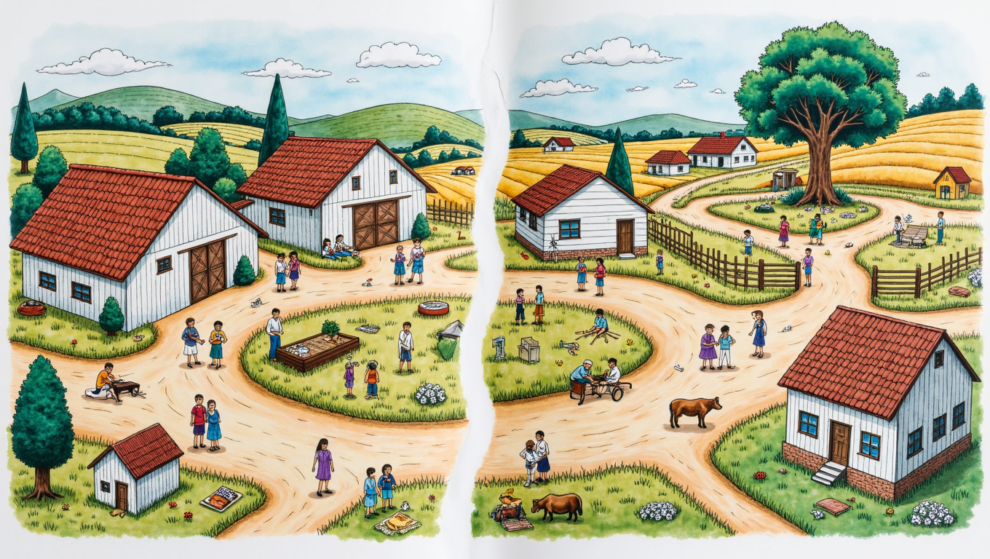


Extra-small family farms in Brazil, typically spanning less than five hectares, form a crucial yet vulnerable segment of the country’s coffee industry. These farms are often managed entirely by family members, relying heavily on manual lobar for planting, maintenance, and harvesting. Their small scale limits access to mechanisation and advanced technologies, making them highly dependent on traditional farming methods. Despite these limitations, extra-small farms contribute significantly to regional economies and help preserve local coffee-growing traditions.
One of the primary challenges faced by extra-small family farms is limited access to capital. Purchasing fertilizers, quality seedlings, or pest control products can strain household budgets, often forcing farmers to prioritize short-term needs over long-term soil health and productivity. Moreover, these farms may lack sufficient access to credit or government support programs, which larger farms can leverage to invest in infrastructure and technology. This financial constraint directly affects their ability to compete in increasingly competitive national and international coffee markets.
Production costs on extra-small farms tend to be proportionally higher than on larger operations due to the intensive labor requirements and lack of economies of scale. Tasks such as weeding, pruning, and harvesting are labor-intensive and time-consuming, often carried out without mechanized assistance. Transportation and processing costs can also be disproportionately high, particularly if the farm is located in remote or hilly regions. These cost challenges make it difficult for extra-small farmers to achieve consistent profitability despite their dedication and hard work.
Yields on extra-small family farms are often lower than those on medium or large farms, primarily due to limited access to high-yield coffee varieties, mechanization, and advanced agricultural practices. However, some extra-small farms focus on specialty or organic coffee production, which can fetch premium prices and partially offset lower volume output. Success in these cases depends on access to cooperatives, certifications, and niche markets that value quality over quantity, highlighting the importance of community and market support.
Overall, extra-small family farms in Brazil face a delicate balance between sustaining livelihoods and improving productivity. While they encounter significant challenges related to costs, labor, and yields, these farms are vital for preserving the cultural and social fabric of coffee-growing regions. Supporting these farmers through technical assistance, cooperative programs, and market access is essential for ensuring their resilience and continued contribution to Brazil’s coffee industry.