







The origins of coffee houses in Europe mark a turning point in the continent’s social and intellectual history. When coffee first arrived from the Ottoman Empire in the 17th century, it introduced not only a new beverage but also a new kind of public space. Unlike taverns, which centered on alcohol, early European coffee houses promoted alert conversation, debate, and the exchange of news. They quickly became fashionable gathering spots in major cities, reshaping urban culture and encouraging a spirit of curiosity and discussion.
The first European coffee houses appeared in cities connected to trade routes with the East. Venice is often credited with opening one of the earliest cafés in the early 1600s, as merchants brought coffee through Mediterranean trade networks. Soon after, coffee houses spread to Oxford and London in England, with London’s first opening in 1652. Paris followed later in the century, and Vienna embraced coffee culture after the late 1600s. These establishments attracted scholars, merchants, writers, and political thinkers. For the price of a single cup, customers gained access to lively debates, newspapers, and business opportunities—earning English coffee houses the nickname “penny universities.”
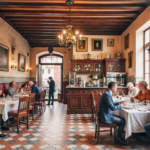
As coffee houses multiplied across Europe, they became symbols of modern urban life. They played important roles in the development of financial markets, journalism, and Enlightenment ideas. Elegant interiors, outdoor seating, and artistic décor added charm and sophistication, especially in cities like Paris and Vienna. The European coffee house was not merely a place to drink coffee; it was a cradle of ideas and innovation. The origins of coffee houses in Europe reveal how a simple imported drink helped create enduring spaces for connection, creativity, and cultural transformation.