









1. Introduction
Coffee in Singapore is more than just a drink—it is a central part of daily life and a strong symbol of cultural identity. From traditional kopitiams to modern specialty cafés, coffee reflects Singapore’s multicultural society and fast-paced urban lifestyle. It has evolved from a colonial-era beverage into a modern social and economic staple enjoyed by people of all ages.
2. Origins and Early Introduction
Coffee was introduced to Singapore during the early colonial period in the 19th century, when the island became an important British trading port. European traders and migrants brought coffee consumption habits along with them, and coffee soon became available in urban settlements. At the same time, Chinese immigrants helped shape the early coffee culture by opening small coffee shops that catered to workers and traders.
3. Growth of Kopitiam Culture
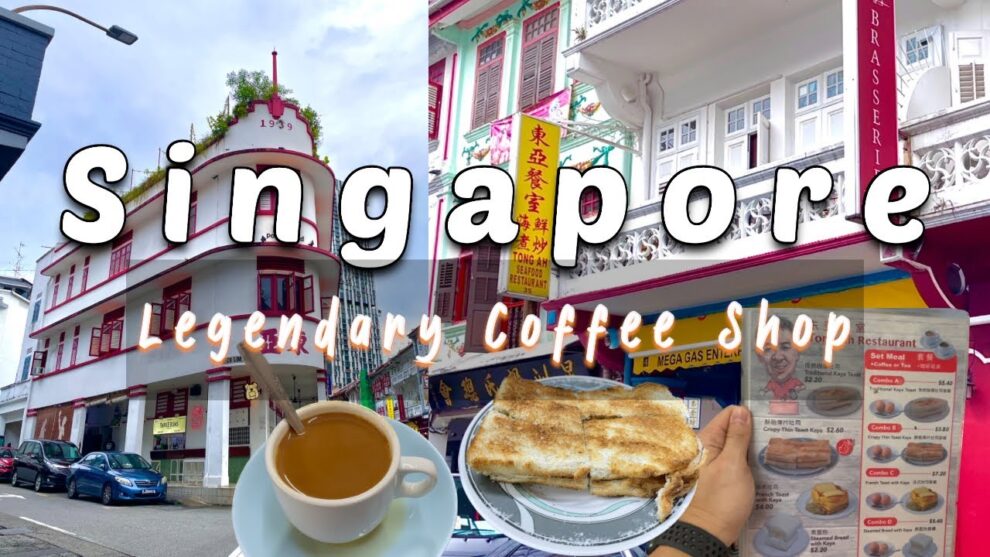
The most important development in Singapore’s coffee history is the rise of the kopitiam (traditional coffee shop). These coffee shops became popular in the early 20th century, serving strong brewed coffee often mixed with sugar and condensed milk. Kopitiams quickly became social hubs where people from different ethnic backgrounds—Chinese, Malay, Indian, and others—gathered for meals, conversations, and community bonding. This culture continues today and remains a defining feature of Singapore’s identity.
4. Who Consumed Coffee in Singapore
Initially, coffee was consumed mainly by European colonial administrators, traders, and urban workers. However, as kopitiams spread, coffee became widely accessible to the general population. Laborers, office workers, and families all adopted coffee as part of their daily routine. Today, coffee is consumed by almost every segment of society, from students and professionals to retirees, with both traditional kopitiam coffee and modern café-style drinks being popular.
5. Benefits of Coffee
Coffee offers several benefits when consumed in moderation. It helps improve alertness, concentration, and productivity, making it especially useful in Singapore’s high-performance work culture. Coffee also contains antioxidants that may support overall health and reduce risks of certain chronic diseases. Beyond health, it plays an important social role by encouraging interaction and communication in both informal and professional settings.
6. Disadvantages and Health Concerns
Despite its benefits, excessive coffee consumption can have negative effects. High caffeine intake may lead to insomnia, anxiety, increased heart rate, and digestive issues. In Singapore, where sweetened kopi drinks are very popular, high sugar content is also a concern, contributing to obesity and metabolic health risks. Overconsumption of caffeine can also create dependency and lead to withdrawal symptoms such as headaches and fatigue.
7. Price and Coffee Market in Singapore
Coffee in Singapore varies widely in price depending on where it is purchased. Traditional kopitiam coffee remains affordable and widely accessible, often costing significantly less than café beverages. In contrast, specialty coffee shops and international chains in urban areas charge premium prices for espresso-based drinks and artisanal blends. Singapore also plays a role as a regional coffee trading and consumption hub rather than a major coffee-producing country.
8. Coffee in Singaporean Society Today
Today, coffee is deeply embedded in Singaporean society and lifestyle. Kopitiams continue to serve as important community spaces where people gather for breakfast, social interaction, and casual business discussions. At the same time, modern cafés have become popular among younger generations who use them as spaces for studying, remote work, and social networking. This dual culture reflects Singapore’s ability to preserve tradition while embracing modern global trends.
9. Conclusion
The history of coffee in Singapore reflects a journey from colonial introduction to cultural integration and modern urban transformation. Although Singapore does not produce coffee at scale, it has developed one of the most distinctive coffee cultures in Asia. From kopitiam traditions to global café chains, coffee continues to shape social life, identity, and daily routines in Singaporean society.