






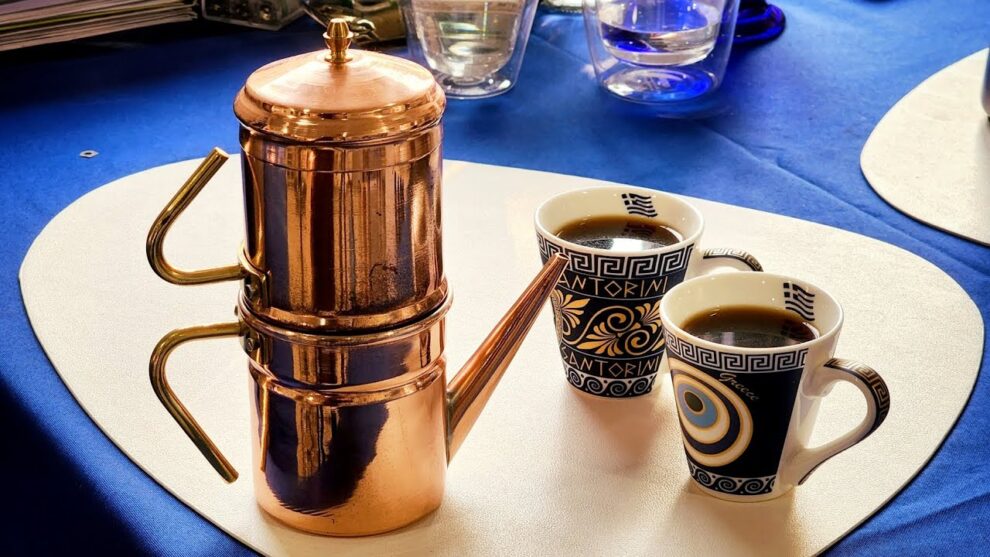


The Neapolitan coffee maker, also known as the cuccumella, is a traditional Italian brewing device famous for its unique flip-style method. What is a Neapolitan coffee maker? It is a stovetop coffee pot invented in the 19th century and widely used in Naples, designed to brew coffee using gravity rather than pressure. Unlike moka pots or espresso machines, it produces a smoother, more aromatic drink similar to drip coffee, making it a symbol of classic Italian coffee culture.
How does a Neapolitan coffee maker work? The device has three main parts: a water chamber, a coffee filter basket, and a serving chamber. First, water is heated in the lower chamber until it begins to boil. Then the entire pot is flipped upside down, allowing hot water to slowly pass through the coffee grounds by gravity and collect in the opposite chamber. This slow dripping process takes a few minutes and creates a balanced, flavorful brew.
What makes it unique compared to other coffee makers? The key difference is that it uses no pressure, only gravity, which results in a lighter yet aromatic cup with some richness and mild sediment. The brewing process itself is also considered a ritual, requiring attention and patience, which many coffee lovers enjoy. Compared to espresso machines, it produces less intense coffee, but more delicate and complex flavors that highlight the beans’ natural characteristics.
Is it good and who should use it? The Neapolitan coffee maker is ideal for traditional coffee enthusiasts who appreciate slow brewing and classic methods. It is perfect for those who enjoy experimenting with coffee and value flavor over speed. However, it may not be suitable for people looking for quick or strong espresso-style coffee. Overall, it offers a unique experience that combines history, culture, and a gentle brewing technique.