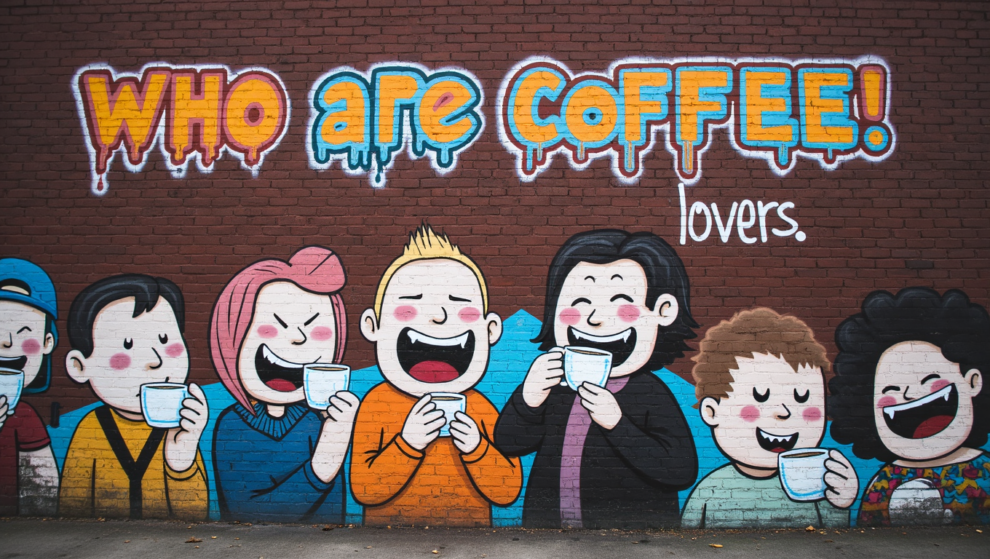
Coffee lovers are people who don’t just drink coffee—they experience it. For them, coffee is a sensory journey that begins with the aroma of freshly ground beans and ends with the warmth of the last sip. They notice flavors, textures, and moods, whether it’s the bright acidity of a light roast or the deep comfort of a dark brew. Coffee becomes a ritual, a pause in a busy day, a source of inspiration, and a quiet companion during work, reflection, or conversation. In every cup, they find not just caffeine, but comfort, culture.
“Coffee lovers are those who don’t just drink coffee for energy, but for the comfort, aroma, and small moments of happiness it brings to everyday life.”
The country that loves coffee the most — based on coffee consumption per person (per capita) — is Finland. On average, people in Finland drink more coffee per person each year than anywhere else in the world, often around 12 kg of coffee annually, which works out to several cups a day. Jagranjosh.com
Country
Population (Approx.)
Popular Type of Coffee
Brazil
216 million
Arabica, Robusta
United States
340 million
Arabica
Germany
84 million
Arabica
Japan
125 million
Arabica
Italy
60 million
Arabica, Espresso blends
France
67 million
Arabica
Ethiopia
126 million
Arabica
Vietnam
100 million
Robusta
Colombia
52 million
Arabica
Turkey
88 million
Arabica, Turkish coffee
Psychologically, people consume coffee for reasons that go far beyond caffeine. Coffee stimulates the brain by increasing dopamine and serotonin activity, which enhances alertness, motivation, and mood, making people feel more focused and emotionally uplifted. The ritual of drinking coffee also creates a sense of comfort and control, reducing stress and anxiety through familiarity and routine. Many associate coffee with productivity, creativity, and social connection, as it is often consumed during work, study, or conversation. Over time, the aroma and taste of coffee become psychologically conditioned signals for “wake up,” “think,” or “relax,” turning coffee into a powerful mental cue that prepares the brain for action, reflection, or social bonding.
Coffee is deeply tied to culture and social life, often bringing people together for conversation and connection. It is also associated with productivity, creativity, and personal identity, making it feel like a trusted companion during work or quiet reflection. Over time, memories, habits, and emotional comfort combine to turn coffee into more than a beverage—it becomes a meaningful part of everyday life.