







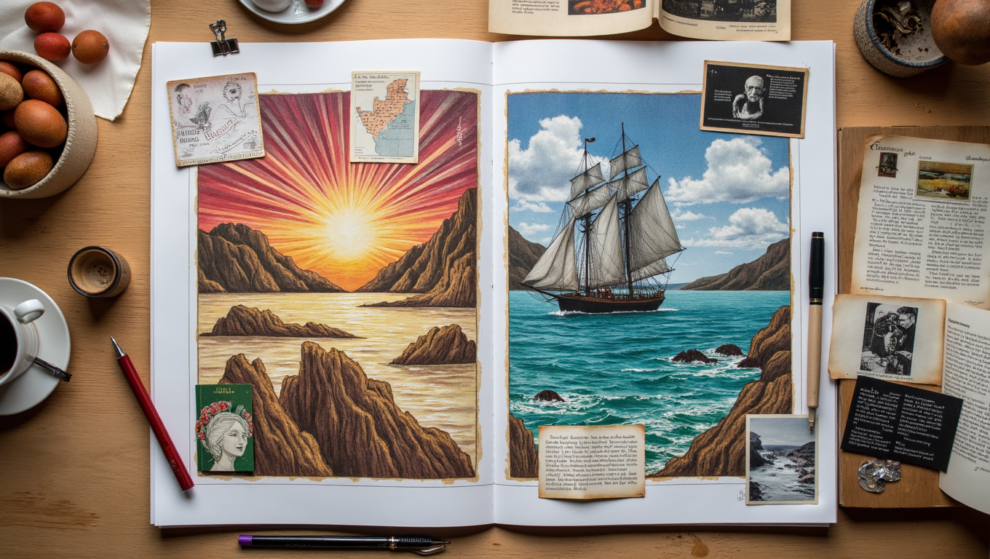


Classic Spanish novels represent the pinnacle of Spain’s literary heritage, offering timeless stories that combine rich language, deep human insight, and cultural reflection. Spanning from the Golden Age to the 19th century, these novels explore universal themes such as love, honor, social conflict, and the tension between reality and idealism. They not only entertain but also provide a window into Spanish society, values, and history, making them essential reading for understanding the evolution of world literature. Through memorable characters and masterful storytelling, classic Spanish novels continue to captivate readers across generations.
Coffee and novels share a timeless connection, creating the perfect companion for quiet reflection and imagination. Sipping coffee enhances the reading experience, making stories richer and moments more immersive.
One of the most celebrated examples is Don Quixote by Miguel de Cervantes, often regarded as the first modern novel. This work combines humor, adventure, and profound philosophical reflection, exploring the gap between illusion and reality through the adventures of the idealistic knight and his loyal squire. Other notable classics include La Regenta by Leopoldo Alas, a powerful portrayal of provincial life and moral hypocrisy, and Fortunata y Jacinta by Benito Pérez Galdós, which examines love, social class, and personal ambition with rich psychological detail.
Classic Spanish novels remain compelling because they blend storytelling brilliance with social, moral, and psychological exploration. They appeal to readers not only for their imaginative plots and memorable characters but also for their insightful commentary on human nature and society. These works have influenced countless writers worldwide and continue to be studied, adapted, and celebrated, reflecting the enduring power of Spanish literature to illuminate universal truths across time and culture. Are the novels related with Coffee?