






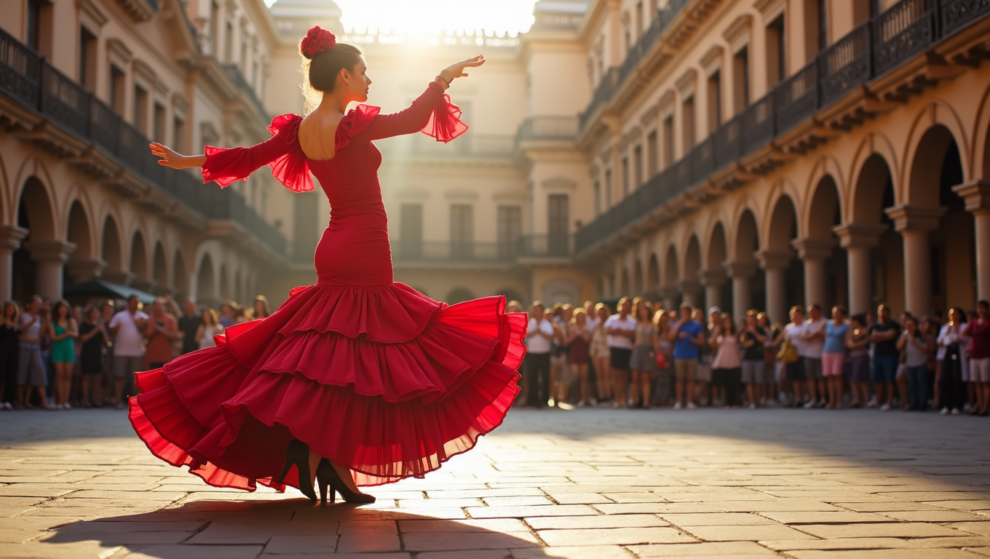


Spanish drama and theatre hold a powerful place in world literature, blending poetic language, intense emotion, and social reflection. From medieval religious performances to the flourishing stage culture of the Siglo de Oro, Spanish theatre evolved into a dynamic art form that entertained common audiences while exploring deep philosophical and moral questions. Public playhouses, known as Corrales, brought together people from all social classes, making theatre not just an artistic expression but also a shared cultural experience. The stage became a mirror of Spanish society—reflecting its values, conflicts, faith, and changing identity.
In Spanish drama, coffee often symbolizes passion, reflection, and daily life’s intensity. Sharing a cup becomes a moment of connection, heightening emotion and storytelling on stage.
During the Golden Age, dramatists transformed Spanish theatre into one of Europe’s most vibrant traditions. Lope de Vega revolutionized dramatic structure by breaking classical rules and creating fast-moving plots filled with love, honor, jealousy, and heroism. His plays captivated audiences with emotional intensity and relatable characters. Later, Pedro Calderón de la Barca deepened the philosophical dimension of theatre, especially in works like La vida es sueño, where themes of free will, destiny, and illusion take center stage. These playwrights established Spanish drama as both entertaining spectacle and profound intellectual inquiry.
In the twentieth century, Spanish theatre continued to evolve, incorporating symbolism and social critique. Federico García Lorca brought lyrical beauty and tragic intensity to the stage, using symbolism and rural settings to address repression, passion, and freedom. His plays remain widely performed, admired for their poetic language and emotional depth. Spanish drama and theatre continue to attract audiences today because of their rich storytelling, moral complexity, and dramatic vitality—offering not only performance but also reflection on the human condition across time.