






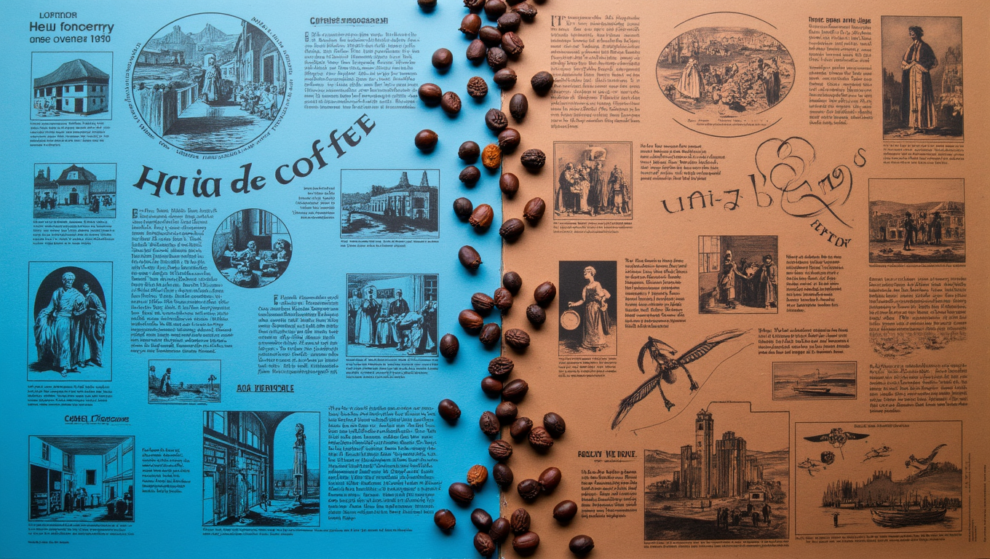


Coffee and chocolate arrived in Spain as exotic luxuries from distant worlds, yet each followed a very different path into Spanish society. Chocolate reached Spain first in the early 16th century, brought back by explorers returning from Mesoamerica after the Spanish conquest. Coffee, by contrast, entered Spain much later, mainly in the 17th and 18th centuries through trade with the Ottoman world and European ports. From the beginning, chocolate was closely tied to the Spanish court and religious life, while coffee grew alongside urban culture and intellectual exchange.
Chocolate quickly became a symbol of Spanish imperial power and wealth. Made from cacao sourced in colonies such as New Spain (modern Mexico) and Venezuela, it was initially consumed as a thick, spiced drink, often flavored with cinnamon, vanilla, or sugar. Spanish monks and nobles embraced chocolate as both nourishment and pleasure, even debating whether it broke the religious fast. By the 17th century, hot chocolate was a morning ritual for aristocrats, especially women, and Spain became Europe’s leading center for chocolate culture.
Coffee’s rise was slower but more disruptive. Introduced through Mediterranean trade routes, coffee gained popularity in Spain during the Enlightenment, particularly in cities like Madrid, Cádiz, and Barcelona. Coffeehouses emerged as spaces for discussion, news, and political debate, attracting writers, merchants, and reform-minded thinkers. Unlike chocolate, which reinforced existing hierarchies, coffee encouraged social mixing and intellectual freedom, sometimes drawing suspicion from authorities who feared the power of conversation.
Economically, chocolate and coffee reflected two different global systems. Chocolate was deeply embedded in Spain’s colonial economy, relying on plantation labor and transatlantic trade controlled by the empire. Coffee, on the other hand, connected Spain to a wider European and Middle Eastern commercial network. As coffee consumption increased, it linked Spain more closely to modern capitalist markets and urban consumer culture, while chocolate remained associated with tradition and ceremony.
By the 19th century, both beverages had secured lasting places in Spanish life, but with distinct meanings. Chocolate remained a comfort drink tied to childhood, family, and tradition—still enjoyed with churros on cold mornings. Coffee became the drink of daily rhythm, cafés, and modern identity. Together, coffee and chocolate tell a rich story of Spain’s transition from imperial power to modern society, revealing how two simple drinks shaped habits, ideas, and history in profoundly different ways.