







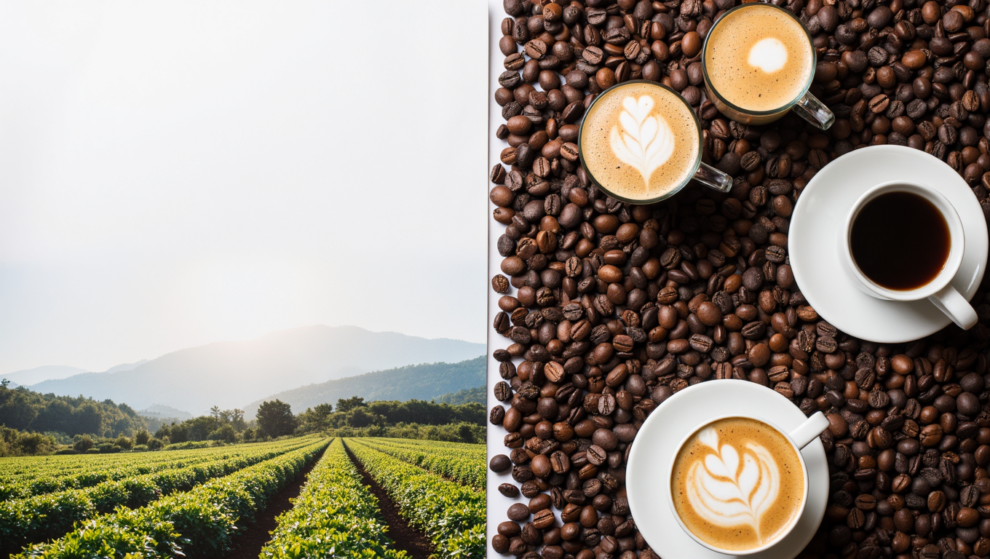


Coffee aroma is the complex and pleasant smell released from coffee, especially when beans are freshly roasted or ground. It is created by hundreds of volatile compounds formed during roasting through chemical reactions such as the Maillard reaction and caramelization. These compounds produce a wide range of scents, including floral, fruity, nutty, sweet, spicy, and smoky notes, which together define the character of a coffee. Aroma plays a central role in how coffee is experienced, as much of what people perceive as flavor actually comes from smell rather than taste alone. Fresh grinding releases aromatic oils and gases, making the aroma more intense, while brewing methods and serving practices can either preserve or diminish it. In many traditional coffee cultures, great care was taken to protect the aroma, recognizing it as a key element of coffee’s quality and enjoyment.
When the mind encounters a rich aroma, it often enters a state of heightened alertness and calm pleasure at the same time. Smell is directly connected to the brain’s limbic system, which controls emotions and memory, so a deep, pleasant aroma can quickly reduce mental stress, lift mood, and create a sense of comfort or familiarity. This is why certain aromas feel instantly soothing or uplifting without conscious effort. A rich aroma can also sharpen focus and stimulate curiosity, gently preparing the mind for engagement or reflection. In the case of coffee, the aroma alone may evoke warmth, anticipation, and mental readiness even before drinking, creating a feeling of clarity and emotional balance. Such aromas often anchor the mind in the present moment, encouraging calm attention and positive emotional response.
Kings and rulers of the past valued the aroma of coffee because it symbolised alertness, refinement, and power over the senses. The rich scent of coffee was stimulating without intoxication, helping rulers remain mentally sharp during long councils, military planning, or late-night discussions. In an era when clear judgment was essential to authority, the aroma alone signaled readiness of mind and discipline.
The aroma of coffee also carried status and sophistication. Coffee was rare, imported, and costly, so its fragrance in a palace announced wealth, global connections, and cultural leadership. Court rituals emphasised serving coffee slowly so its aroma would fill the space, creating an atmosphere of calm focus and dignity. For kings, enjoying coffee’s aroma was not merely pleasure—it was a sensory expression of intellect, control, and civilised rule.