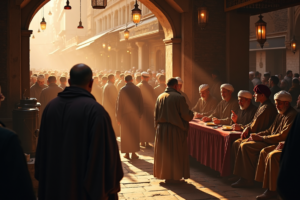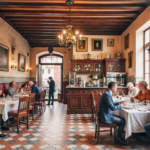








The 17th century coffee houses were more than simple places to drink a warm beverage—they were the vibrant intellectual hubs of a rapidly changing world. As coffee spread from the Ottoman Empire into Europe, these establishments quickly became centers of conversation, debate, and discovery. Often called “penny universities” in England because a single penny bought a cup of coffee and access to stimulating discussion, coffee houses attracted merchants, scholars, writers, scientists, and politicians. In an era marked by scientific revolution and expanding global trade, coffee houses became the beating heart of urban culture.
In cities like London, Oxford, Paris, and Constantinople, 17th century coffee houses flourished as meeting points for thinkers and entrepreneurs. London’s first coffee house opened in 1652, and within decades, hundreds operated across the city. Each coffee house often developed its own character—some favored literary minds, others merchants or politicians. Lloyd’s Coffee House, for example, became the foundation of the modern insurance market, while others were linked to early newspapers and financial exchanges. Unlike taverns, coffee houses encouraged sober discussion, making them ideal spaces for exchanging news, debating ideas, and conducting business.
The attraction of 17th century coffee houses lay not only in the exotic appeal of coffee itself but also in the freedom of expression they offered. They played a key role in shaping public opinion and nurturing Enlightenment ideas about reason, science, and democracy. Though some governments attempted to regulate or even close them—fearing political dissent—their popularity endured. Today’s cafés, coworking spaces, and social clubs owe much to these early institutions, which transformed a simple drink into a catalyst for social and intellectual revolution.