







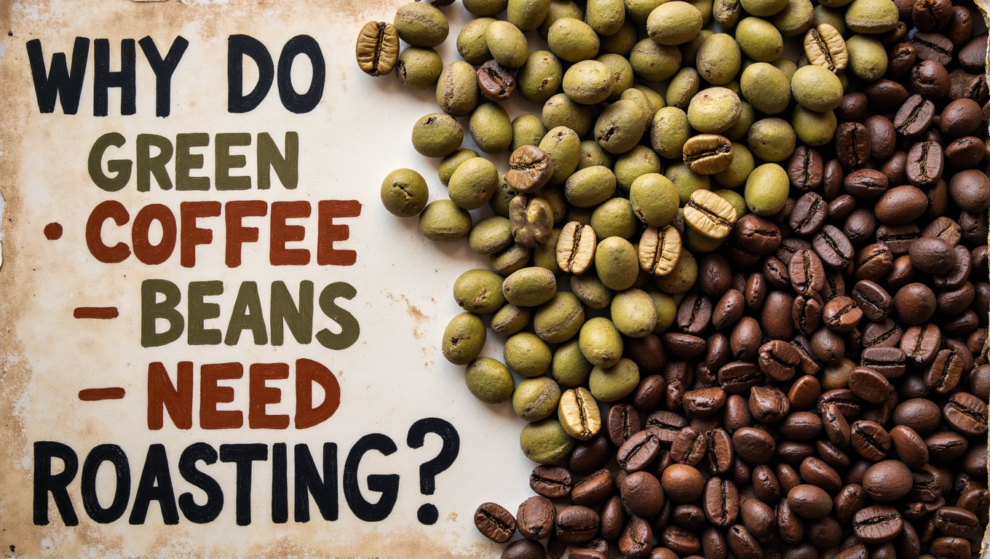


Roasted coffee is coffee that has been carefully heated after harvesting to transform the raw green beans into the flavourful, aromatic beans used to brew coffee. Raw coffee beans are dense, hard, and have very little taste, so roasting is essential to unlock their potential. During roasting, the beans are exposed to high temperatures, usually between 180°C to 240°C (356°F to 464°F), which triggers chemical reactions like the Millard reaction and caramelization of sugars. These reactions produce the rich brown colour, strong aroma, and complex flavor compounds that make coffee enjoyable to drink.
Roasted coffee comes in different roast levels—light, medium, and dark—each affecting the flavor, acidity, body, and aroma of the coffee. Light roasts preserve more of the bean’s original fruit and floral notes, medium roasts balance acidity with sweetness, and dark roasts emphasize chocolatey, nutty, and smoky flavors. Essentially, roasting transforms raw green beans into aromatic, flavorful beans, making them suitable for grinding, brewing, and ultimately enjoying as the beverage millions consume daily.
Green coffee beans need roasting because in their raw state, they are hard, dense, and have very little aroma or flavor. Roasting transforms the chemical and physical structure of the beans, breaking down complex carbohydrates and proteins while caramelising natural sugars. This process releases the rich aromas, deepens the flavors, and develops the characteristic taste of coffee, turning the otherwise bland green bean into a drinkable form.
Roasting also reduces moisture content, making the beans lighter and easier to grind. It brings out the acidity, sweetness, bitterness, and body that define different coffee profiles, while allowing subtle notes—like chocolate, fruit, or floral hints—to emerge. Without roasting, coffee would remain tasteless and unpalatable, and the wide variety of flavors enjoyed by coffee lovers around the world would never exist.