




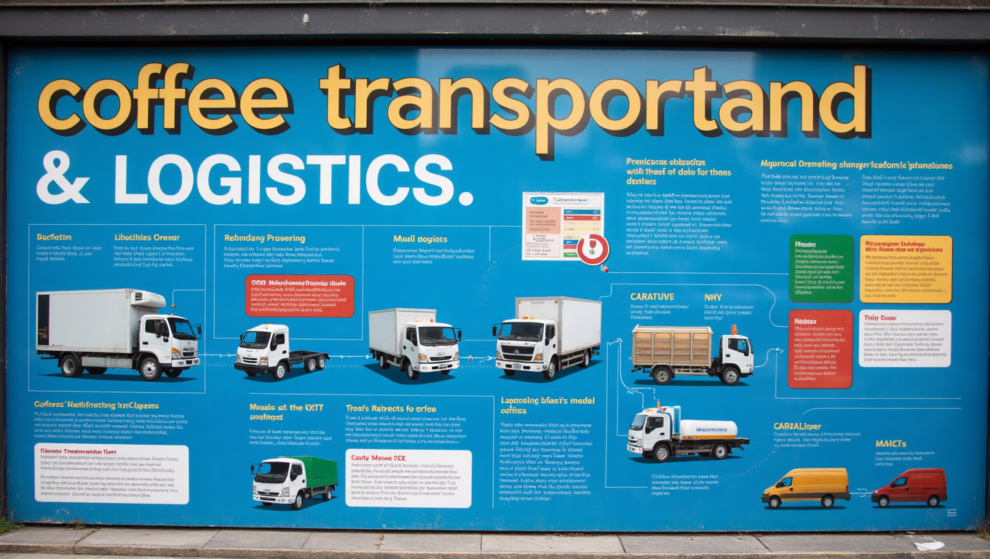


The transportation and logistics chain for coffee from Brazil begins at inland farms, often located far from seaports, where harvested coffee cherries are processed into green beans through washing, drying, and grading. Once prepared for export, the beans are packed in jute or lined bags and transported by truck or rail to major export hubs such as Santos or Paranaguá. Inland transportation is a critical cost factor, as distances are long and fuel prices, road conditions, and seasonal harvest peaks can affect timing and expense. Quality preservation during this stage is essential, as heat, moisture, and delays can all reduce coffee value.
At the port, coffee enters a tightly managed logistics phase involving warehousing, customs clearance, quality inspections, and container loading. Exporters coordinate shipping schedules, insurance, and documentation while managing risks such as port congestion and container shortages. Once loaded, coffee is shipped to destination markets in Europe, North America, the Middle East, or Asia, where transit time can range from weeks to over a month. In reality, Brazil’s efficiency and scale make it one of the world’s most reliable coffee exporters, but even here, logistics success depends on coordination, timing, and constant monitoring of global freight conditions.