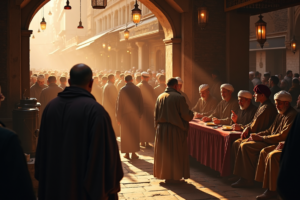







The story of Spanish Literature History is a fascinating journey through centuries of cultural transformation, political change, and artistic brilliance. From the heroic chants of medieval Spanish literature to the philosophical depth of modern novels, Spain’s literary tradition reflects the nation’s evolving identity. Early masterpieces such as the epic of El Cid reveal how honor, faith, and heroism shaped the foundations of storytelling in Spain. As oral traditions gave way to written works, literature became a powerful mirror of society, preserving both history and imagination.
The Golden Age marked a dazzling peak in Spanish Literature History, producing some of the world’s most influential works. Writers like Miguel de Cervantes revolutionized fiction with Don Quixote, often considered one of the greatest novels ever written. This period also saw extraordinary achievements in poetry and drama, blending artistic innovation with deep philosophical reflection. Later movements such as Romanticism, Realism, and Modernism expanded the scope of Spanish writing, addressing themes of emotion, social change, and identity with renewed intensity.
In the 20th century and beyond, Spanish Literature History continued to evolve through the voices of poets and novelists who responded to war, exile, and modernization. Figures like Federico Garcia Lorca infused poetry with symbolism and emotional depth, while contemporary authors brought Spanish storytelling to a global audience. Today, Spanish literature remains vibrant and influential, connecting readers across cultures and generations. Its enduring legacy lies in its ability to blend tradition with innovation, offering timeless insight into the human experience.