








What is disadvantage of manual labour? Family farms have traditionally relied on manual labour, often passed down through generations, where hands-on care and knowledge of the land shape the farming process. In many countries, including Brazil, smallholder farmers manage a few hectares, cultivating crops with careful attention to soil, climate, and plant health. The intimacy of manual labour allows farmers to adapt quickly to environmental changes and maintain high-quality production standards. However, reliance solely on manual work can limit productivity and efficiency, especially as market demands increase. Coffee cultivation needs technology.
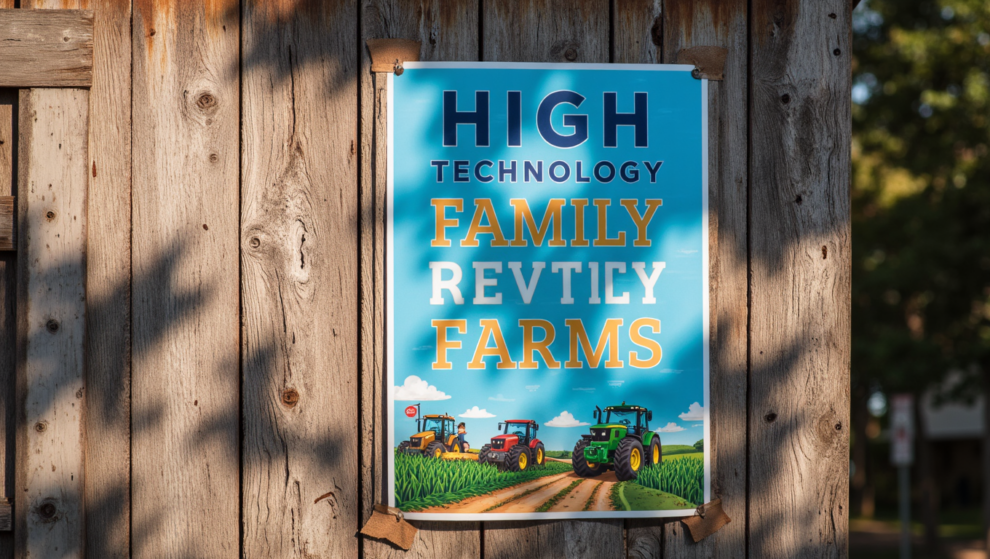
The integration of high technology into family farms has introduced a new era of precision agriculture. Mechanization, drones, sensors, and automated irrigation systems allow farmers to monitor crop health, optimize water usage, and reduce waste. This blend of technology supports family farmers in producing higher yields without expanding farmland, making it possible to remain competitive with larger, fully mechanized plantations. By automating repetitive or labor-intensive tasks, families can focus more on strategic decisions and crop quality.
Need balance. Balancing mechanisation with manual labour is crucial to maintaining the unique advantages of family farming. While technology can enhance efficiency, certain tasks, such as selective harvesting, pruning, or assessing the quality of produce, still require human judgement. The tactile experience and intuition of farmers cannot yet be fully replicated by machines. Therefore, a hybrid approach, where machines handle bulk processes and humans oversee critical quality decisions, ensures both productivity and the preservation of traditional farming expertise.
High-technology family farms also have social and economic benefits. Mechanization reduces physical strain and the need for large seasonal workforces, lowering operational costs and improving working conditions. At the same time, it creates opportunities for skill development as farmers learn to operate and maintain new equipment. Families who embrace technology strategically can achieve a sustainable balance, increasing output while retaining the cultural and personal connection to the land.
Ultimately, high-technology family farms demonstrate that innovation does not have to replace tradition. By carefully balancing mechanization with manual labour, these farms preserve the artisanal knowledge of their ancestors while meeting modern production demands. The result is a resilient, efficient, and sustainable model of agriculture that honors heritage while embracing the future.