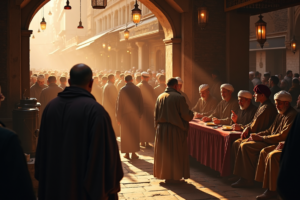






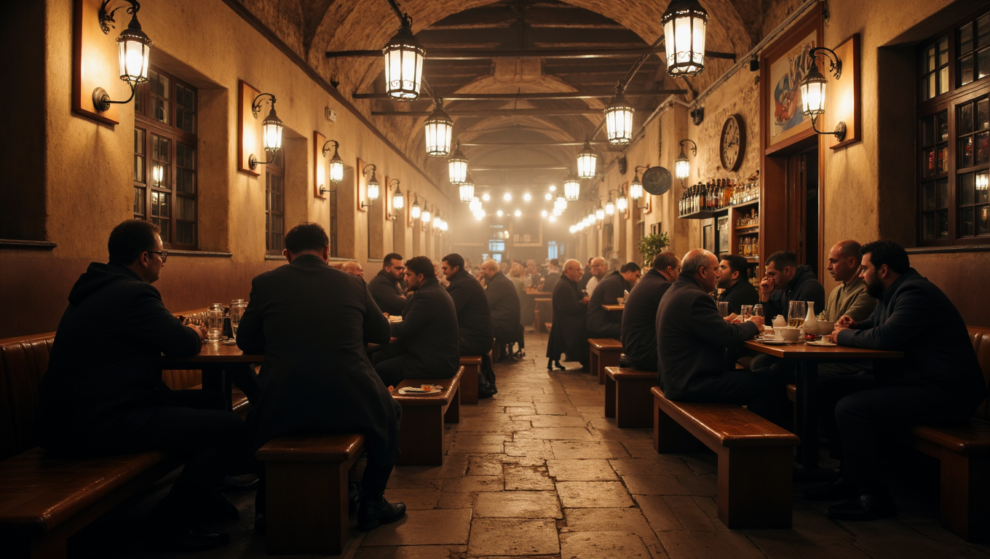


Coffeehouses have long been more than simple places to drink coffee; they have served as centers of conversation, creativity, and public life. The story of Coffeehouses Survive the Law History begins with the rapid spread of coffee culture across the powerful Ottoman Empire, where coffeehouses quickly became popular gathering spaces. Merchants, scholars, poets, and travelers gathered to exchange ideas, discuss politics, and enjoy storytelling. Their influence grew so rapidly that authorities soon recognized both the cultural power and the potential risks these public spaces represented.
As coffeehouses flourished, particularly in the bustling streets of Istanbul, governments began introducing restrictions aimed at controlling public gatherings. Officials feared that unrestricted conversation could encourage dissent or criticism of leadership. Laws regulating operating hours, licensing, and social behavior were introduced to limit their influence. Despite these pressures, coffeehouses adapted creatively, often shifting locations or modifying activities to remain open while technically complying with regulations.
One of the most dramatic periods came during the reign of Murad IV, when strict bans targeted coffee consumption and coffeehouse gatherings altogether. Authorities associated cafés with political discussion and potential unrest, leading to harsh enforcement measures. Yet demand for coffee culture proved stronger than prohibition. Many coffeehouses operated secretly or reopened shortly after closures, supported by loyal patrons who viewed them as essential social institutions rather than simple businesses.
Ultimately, the survival of coffeehouses demonstrates how deeply embedded they were within urban society. Over time, governments recognized that regulation worked better than outright bans, transforming cafés into licensed and taxed establishments rather than outlawed spaces. Coffeehouses endured because they fulfilled human needs for dialogue, community, and intellectual exchange. Their resilience helped shape modern café culture worldwide, proving that even under strict laws, shared conversation over coffee remains remarkably difficult to suppress.