






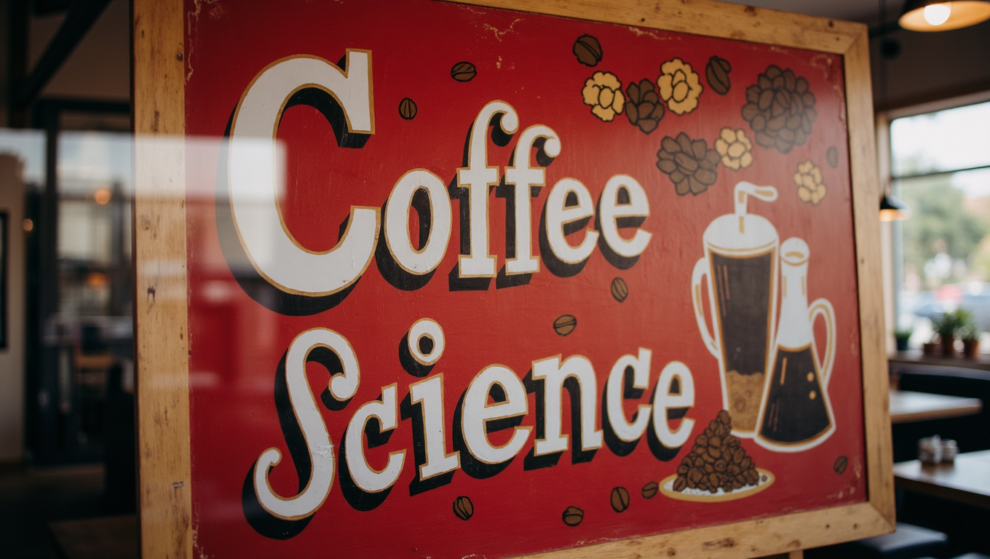


Coffee science explores the chemical, physical, and biological processes that shape coffee from plant to cup. It begins with botany and agriculture, where genetics, soil, climate, and altitude influence how coffee cherries develop sugars, acids, and aromatic precursors. These natural factors determine the bean’s potential flavor profile long before roasting or brewing takes place.
During roasting and brewing, coffee science becomes a study of chemistry and physics. Heat-driven reactions such as the Maillard reaction and caramelization create hundreds of flavor and aroma compounds. Brewing is a controlled extraction process governed by grind size, water temperature, pressure, and time, which determine how soluble compounds dissolve into the cup. Small changes in these variables can significantly alter taste, balance, and mouthfeel.
Coffee science also extends to sensory perception and human physiology. Caffeine’s interaction with the nervous system affects alertness, while aroma compounds influence mood and flavor perception through the sense of smell. Researchers use sensory analysis, data modeling, and laboratory tools to improve consistency, quality, and sustainability. Together, these scientific insights explain why coffee is both a daily pleasure and a complex system shaped by nature, technology, and human experience.