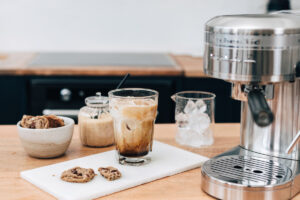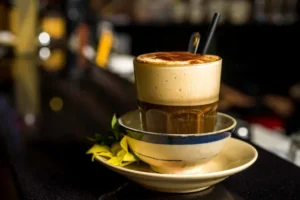






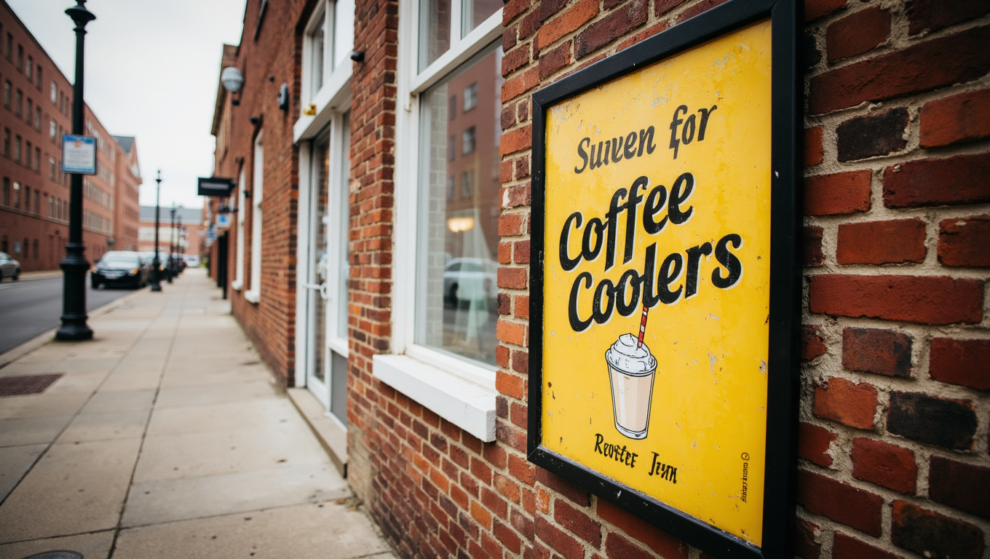


Coffee coolers, historically known as Kahve Soğutucusu in Ottoman culture, are specialized vessels designed to gently lower the temperature of freshly brewed coffee before serving. These coolers allowed the aroma to stabilize and prevented the cup from being uncomfortably hot, ensuring that flavors could be fully appreciated without burning the tongue. Typically made from metal or ceramic, their design emphasized both functionality and aesthetics, often featuring decorative motifs that reflected the household’s taste and status.
The cooling process was carefully controlled, as rapid cooling could alter flavor and aroma. Some coolers used shallow trays or perforated inserts to increase surface area and accelerate heat dissipation, while others incorporated lids to preserve fragrance while moderating temperature. This practice highlighted the importance of patience and attentiveness in traditional coffee rituals, turning a simple step into a refined sensory experience.
Even today, the principle behind coffee coolers influences modern brewing techniques. Baristas often let espresso rest briefly or pour hot coffee into pre-warmed cups to balance temperature and flavor. While contemporary cafés rely on precise brewing and serving temperatures, historical coffee coolers remind us that controlling temperature has long been key to maximizing aroma, taste, and enjoyment, blending science with tradition in every cup.