







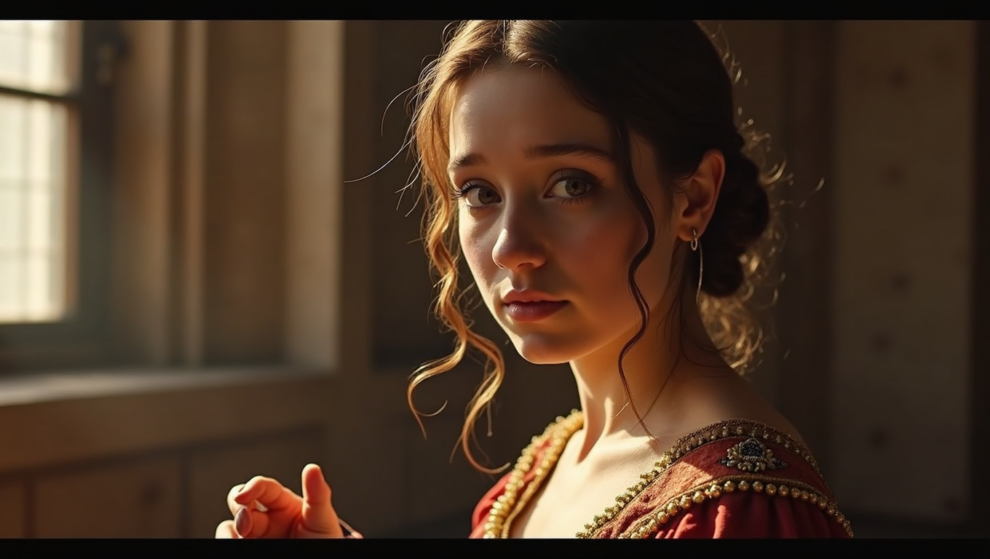


Golden Age Spanish Literature refers to the extraordinary period of artistic and literary flourishing in Spain roughly between the late 15th and late 17th centuries. Known in Spanish as Siglo de Oro, this era coincided with Spain’s rise as a global empire, bringing wealth, cultural exchange, and intellectual energy. Literature during this time reflected both national pride and deep moral questioning, blending realism, spirituality, satire, and dramatic intensity. It was an age when Spanish writers reshaped poetry, drama, and prose, leaving a legacy that continues to influence world literature today.
Literature and coffee have long shared a creative bond, inspiring writers and readers alike. Coffee fuels imagination, making every story and idea richer and more engaging.
One of the most remarkable achievements of this period was the publication of Don Quixote by Miguel de Cervantes. Often considered the first modern novel, it masterfully explored themes of illusion versus reality, idealism, and human dignity. At the same time, Spanish theater reached extraordinary heights through the works of Lope de Vega and Pedro Calderón de la Barca. Their plays combined honor, love, faith, and social conflict with dynamic plots and poetic language, captivating audiences across all social classes. Poetry also flourished, with writers experimenting in style and form, enriching the Spanish language with elegance and expressive depth.
Golden Age Spanish Literature remains attractive because of its emotional power, philosophical richness, and dramatic creativity. It addressed universal human concerns—faith and doubt, honor and betrayal, ambition and humility—while reflecting Spain’s complex political and religious climate. The works of this era not only entertained but also challenged readers to reflect on morality and identity. Even centuries later, the brilliance of the Siglo de Oro continues to shine, inspiring scholars, writers, and readers around the world with its timeless artistry and profound insight.