







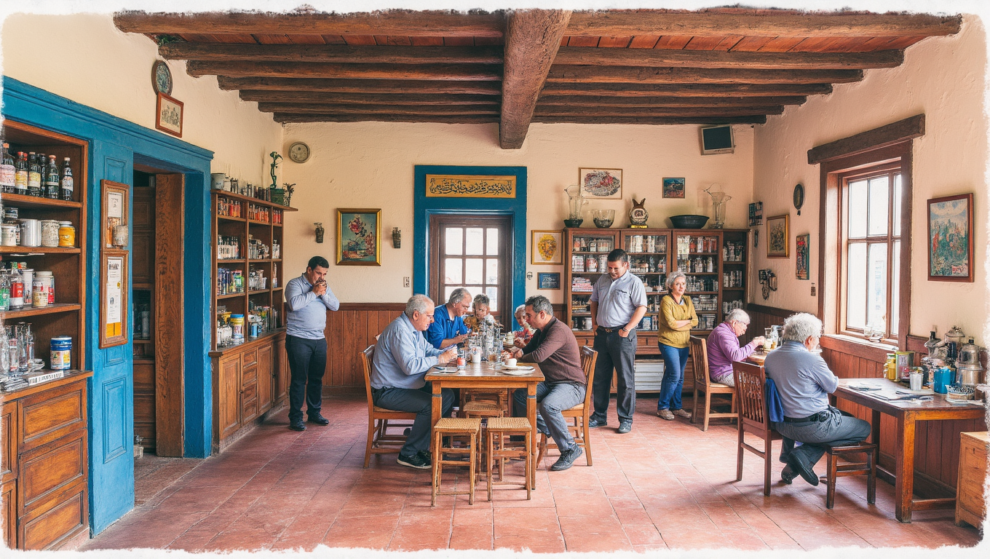


Qahveh Khaneh, the traditional coffeehouses of the Middle East, hold a special place in the social and cultural history of coffee. Emerging in the 15th and 16th centuries in cities like Mecca, Medina, Cairo, and Istanbul, these establishments were among the first public spaces dedicated to enjoying coffee. More than simple cafés, Qahveh Khaneh became lively gathering spots where people from different backgrounds could meet, converse, and exchange ideas. Their rise marked a turning point in urban social life, transforming coffee from a private drink into a shared cultural experience.
Inside a Qahveh Khaneh, the atmosphere was vibrant and intellectual. Patrons would sip strong, freshly brewed coffee while engaging in discussions about politics, religion, literature, and daily events. Storytellers entertained audiences with epic tales, musicians performed traditional songs, and chess games stretched for hours. Because they encouraged open conversation and debate, these coffeehouses were sometimes viewed with suspicion by authorities. Yet their popularity continued to grow, showing how deeply they were woven into the fabric of society.
The legacy of Qahveh Khaneh extends far beyond their original cities. They set the model for coffeehouses in Europe and later around the world, influencing modern café culture. The concept of gathering over coffee to share news, ideas, and companionship began in these early establishments. Today’s cafés—whether in Istanbul, London, or New York—still reflect the spirit of the Qahveh Khaneh: a welcoming space where coffee brings people together and conversation flows as freely as the drink itself.