




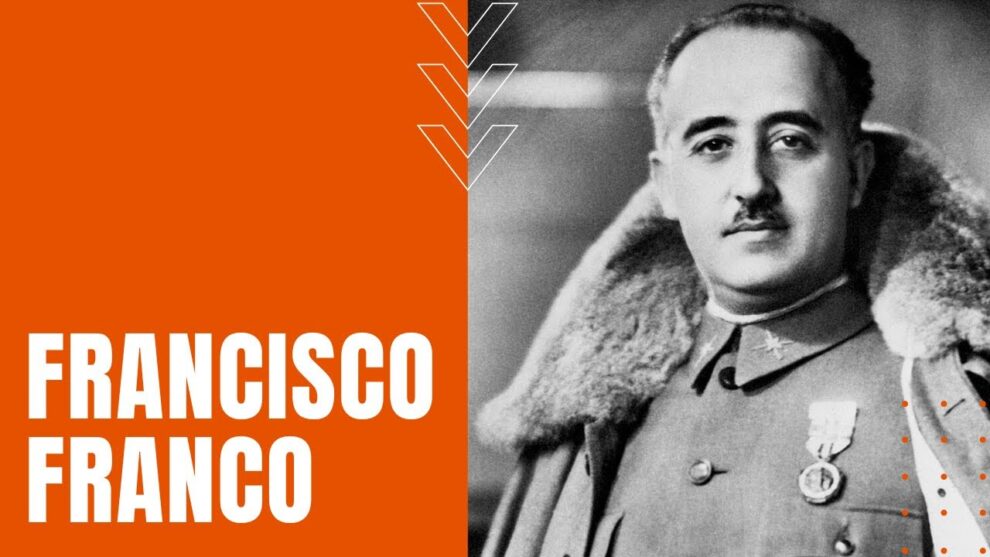


Coffee During Franco’s Spain
Coffee in Spain during the era of Francisco Franco’s dictatorship (1939–1975) carried meanings far beyond taste or habit. In a period marked by political repression, economic hardship, and social control, coffee became both a scarce commodity and a quiet symbol of normalcy, endurance, and social life. The coffee cup, humble and often diluted, reflected the realities of a country rebuilding itself after civil war while navigating isolation from much of the world.
In the immediate post–Civil War years, Spain faced severe shortages of basic goods, and coffee was no exception. Due to international isolation, trade restrictions, and economic autarky policies, real coffee was difficult to import. As a result, many Spaniards consumed café de achicoria—a coffee substitute made from roasted chicory, barley, or other grains. Though lacking caffeine and flavor depth, chicory coffee became a daily staple, especially among working-class families. It was less a choice than a necessity, yet it maintained the ritual of drinking “coffee,” preserving a sense of continuity with pre-war life.
Despite scarcity, cafés remained socially important spaces during Franco’s Spain. They operated under surveillance and censorship, but they still served as gathering points for conversation and observation. People learned to speak carefully, avoiding overt political criticism, yet cafés offered a rare public space for shared presence. Coffee breaks allowed people to exchange news, discuss football, comment on prices, or simply escape the pressures of daily life. Even in silence, sitting together with a cup of coffee carried meaning.
During the 1950s and 1960s, as Spain slowly opened its economy and tourism increased, coffee culture began to improve. Imports became more reliable, and real coffee gradually replaced substitutes in many areas. Bars and cafés multiplied, especially in urban centers and coastal regions influenced by foreign visitors. The popularization of café con leche reflected a growing middle class and slightly improved living standards. Coffee remained modest in quality, but its availability signaled economic change and cautious modernization.
Under Franco, coffee also reflected social hierarchy and restraint. Unlike later decades, cafés were not spaces for open political debate. However, they still functioned as social equalizers in subtle ways. Workers, clerks, and retirees shared counters and tables, united by the same limited menu and similar routines. Coffee was inexpensive, standardized, and ritualized, reinforcing a collective experience rather than individual expression.
By the final years of the regime, coffee had become associated with urban life, routine freedom, and quiet resistance. While not overtly political, the act of gathering in cafés, maintaining traditions, and sustaining social bonds helped preserve a civil society beneath authoritarian rule.
In Franco’s Spain, coffee was rarely about pleasure or refinement. Instead, it was about resilience—holding onto everyday rituals in extraordinary times. Through substitutes, scarcity, and silence, coffee endured as a shared habit, quietly linking Spaniards to each other and to a sense of normal life that outlasted the regime itself.