









Estimating the cost of exporting coffee from Brazil is a complex task due to the country’s diverse production landscape. Coffee farms in Brazil range from tiny family-run plots to vast mechanised plantations, each with different harvesting, processing, and transportation methods. This diversity leads to highly variable production costs, making it difficult to establish a standard export cost. Factors such as lobar expenses, equipment usage, and farm location all play a significant role in determining the initial cost of coffee before it even reaches the trading or export stage.
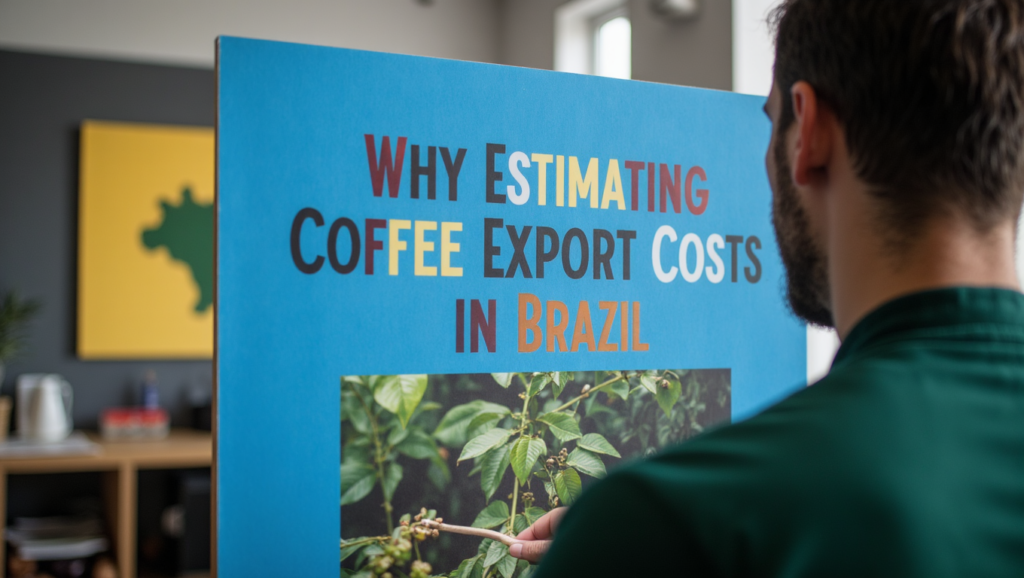
The transportation and logistics chain adds another layer of complexity. Coffee must often travel long distances from farms to collection points, processing facilities, and finally to ports for export. Road quality, availability of transport, and regional infrastructure can vary greatly across Brazil, affecting both cost and delivery time. Additionally, coffee may pass through multiple intermediaries, including small traders, cooperatives, or export companies, each adding their own margins and fees. These variations make it nearly impossible to predict a single, consistent cost for coffee at the export level.
Market fluctuations also play a significant role in the difficulty of estimating export costs. Global coffee prices are influenced by factors such as international demand, weather events, and currency exchange rates. Even within Brazil, the cost of inputs like fertilizers, labor, and fuel can change seasonally or due to economic conditions. These constantly shifting variables mean that the cost to bring coffee to market is not fixed and requires careful monitoring and frequent updates.
Regulatory and certification requirements further complicate cost estimation. Exporters must comply with strict government documentation, quality inspections, and international certifications for organic, fair trade, or sustainability standards. Each requirement adds both financial and administrative burdens, which can differ depending on the target export market. These factors are often unpredictable and vary from one shipment to another, making precise cost calculation even more challenging.
Ultimately, estimating coffee export costs in Brazil is difficult because of the combination of diverse production methods, complex logistics, market volatility, and regulatory obligations. Each stage of the supply chain introduces variability, requiring exporters to constantly adjust their calculations and strategies. Understanding these challenges highlights why Brazil’s coffee export industry demands not only expertise but also flexibility and careful planning to remain competitive on the global stage.