







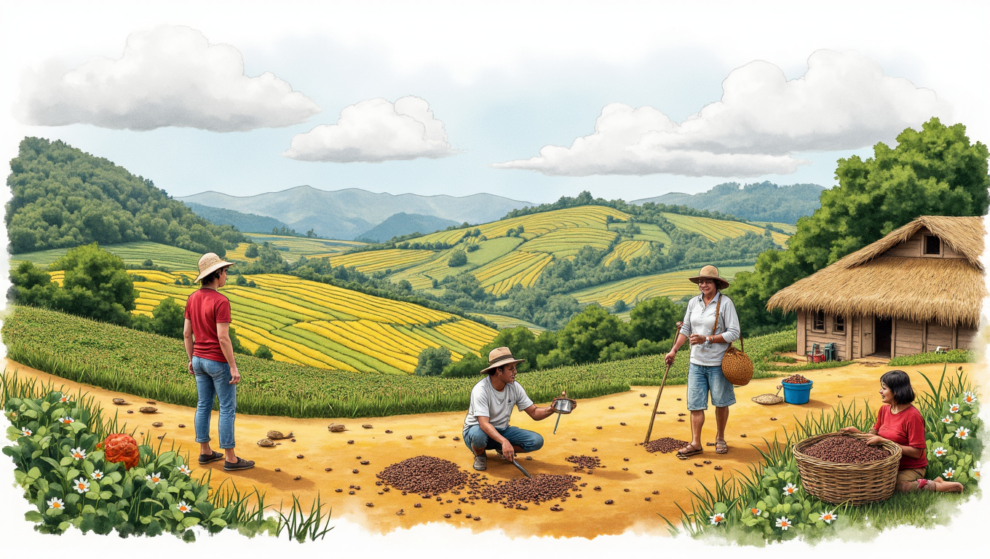


Cooperatives have long played a pivotal role in supporting smallholder coffee farmers in Brazil, offering them access to resources and markets that would be difficult to reach individually. For many small-scale farmers, joining a cooperative provides the opportunity to pool resources for purchasing inputs like fertilizers and seedlings, which helps reduce costs and improve productivity. Cooperatives also facilitate training and technical assistance, ensuring that farmers adopt best practices in cultivation, harvesting, and post-harvest processing.
One of the most significant benefits of cooperatives is their role in improving market access for smallholders. By aggregating coffee from numerous small farms, cooperatives can negotiate better prices with exporters, roasters, and international buyers. This collective bargaining power helps protect farmers from volatile market fluctuations, giving them a more stable and predictable income. Additionally, many cooperatives support direct trade initiatives and certifications, such as organic or Fair Trade coffee, which can significantly increase the value of the product.
Beyond financial and market advantages, cooperatives also foster social and community development. They often reinvest a portion of their revenues into local infrastructure, education, and healthcare, improving the overall quality of life for member families. Cooperatives provide a platform for farmers to collaborate, share knowledge, and collectively address challenges such as climate risks, pests, or price instability. This sense of solidarity strengthens rural communities and ensures the sustainability of coffee farming across generations.
However, cooperatives face challenges in Brazil as well. Managing large memberships, ensuring transparency, and maintaining high-quality standards can be complex, particularly when resources are limited. Some cooperatives struggle with bureaucracy or uneven distribution of benefits, which can reduce trust among members. Despite these challenges, many cooperatives have successfully adapted by adopting modern management practices, embracing technology, and engaging with international partners to remain competitive and efficient.
Overall, cooperatives have had a transformative impact on smallholder coffee farmers in Brazil. They not only enhance economic resilience and productivity but also strengthen community ties and social cohesion. By providing technical support, market access, and collective bargaining power, cooperatives enable small farmers to thrive in a globalized coffee market while promoting sustainable and equitable growth within rural regions of Brazil.