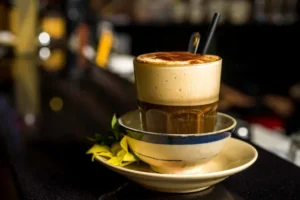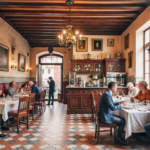

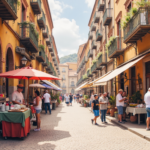



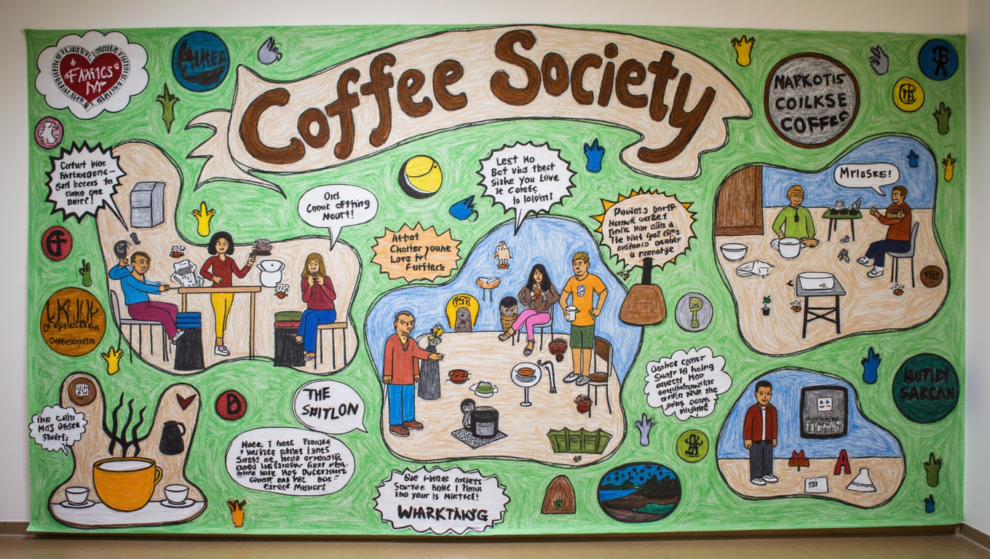


Coffee society refers to the social networks, customs, and cultural practices that have developed around coffee consumption over centuries. From the bustling coffeehouses of 17th-century Europe to modern specialty cafés worldwide, coffee has shaped how people interact, exchange ideas, and form communities. It is both a beverage and a social catalyst, creating spaces for conversation, collaboration, and leisure.
The development of coffee culture transformed society, turning simple coffeehouses into hubs of conversation, commerce, and creativity. Its influence shaped social interactions, intellectual exchange, and daily rituals across generations worldwide.
Historically, coffee society fostered intellectual and artistic movements. In Ottoman coffeehouses, scholars and storytellers shared knowledge, while in European cafés, writers, philosophers, and politicians debated ideas that influenced culture and governance. Coffee’s role in society went beyond taste; it became a symbol of hospitality, status, and refinement, reflecting the values and priorities of the community.
In contemporary contexts, coffee society continues to evolve. Specialty coffee culture emphasizes education, sustainability, and global awareness, connecting producers, baristas, and consumers through shared appreciation and ethical sourcing. Coffee society is thus a living network where culture, commerce, and community converge, demonstrating that coffee is not only a drink but a powerful social and cultural force.