





Coffee, Hospitality, and Ottoman Cultural Identity in Poetry
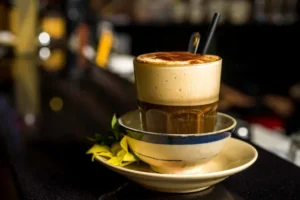
Coffee and poetry share a quiet, intimate relationship rooted in reflection and rhythm. A cup of coffee slows time just enough for thoughts to gather, much like a poem shapes scattered emotions into meaningful lines. The aroma, warmth, and gentle bitterness of coffee often awaken the senses, creating a mood where words flow more freely and imagination feels closer at hand. For many poets, coffee becomes both a companion and a catalyst—present in early mornings or late nights, listening silently as verses are born, revised, and remembered.
Coffee and poetry meet in the space between silence and expression. As coffee stirs the mind and sharpens awareness, poetry gives direction to those awakened thoughts, turning feelings into language. The ritual of brewing and sipping mirrors the careful crafting of a poem—both require patience, attention, and a love for subtle details. In this way, coffee becomes more than a drink; it becomes a muse, encouraging poets to linger in moments, observe deeply, and translate ordinary experiences into timeless words.
In Ottoman literature, coffee was never just a drink—it was a symbol of hospitality, social connection, and cultural identity. Poets wove coffee into their verses as a marker of civility, generosity, and the refinement of daily life, reflecting its central role in shaping Ottoman urban and domestic culture. Hospitality was a key theme. Offering coffee to guests was more than a polite gesture; it was a ritual imbued with respect, warmth, and social etiquette. Poets highlighted this practice in ghazals and kasîdes, celebrating hosts who welcomed friends, travelers, and scholars with the aromatic brew. The act of serving coffee became a metaphor for generosity, honor, and the bonds that united family, friends, and community.
Beyond hospitality, coffee symbolized cultural sophistication and Ottoman identity. The preparation, presentation, and sharing of coffee distinguished urban centers, particularly Istanbul, as hubs of taste, intellect, and social refinement. Poets often contrasted the rich customs of Ottoman coffee culture with foreign practices, subtly asserting a sense of pride and cultural distinctiveness.
Coffeehouses, too, became literary motifs, representing spaces where ideas, art, and conversation flourished. In verse, the mingling of patrons around a cup of coffee reflected a society that valued knowledge, social discourse, and mutual respect. The ritual of coffee drinking, whether in private homes or public venues, was thus celebrated as a defining element of Ottoman identity—an emblem of civility and cultural continuity. Through poetry, coffee transcended its material presence to embody the essence of Ottoman life: a drink that nourished not only the body but also the intellect, relationships, and collective identity of a society.