







Coffee fermentation is a crucial step in processing that profoundly influences the flavor, aroma, and quality of the beans. After harvesting, coffee cherries contain a sticky layer called mucilage, which surrounds the seeds. In the fermentation process, naturally occurring microorganisms—mainly yeasts and bacteria—break down this mucilage. This biological activity not only cleans the beans but also initiates chemical reactions that produce sugars, acids, and aromatic compounds, contributing to the coffee’s complexity and body.
The duration and method of fermentation vary depending on climate, bean variety, and desired flavor profile. In the washed (wet) process, beans are submerged in water for 12–72 hours while carefully monitored. Too short a fermentation can leave residual mucilage, resulting in off-flavors, while over-fermentation can create sour or fermented notes. In some specialty methods, controlled dry or anaerobic fermentation is used to emphasize fruity, floral, or unique taste characteristics.
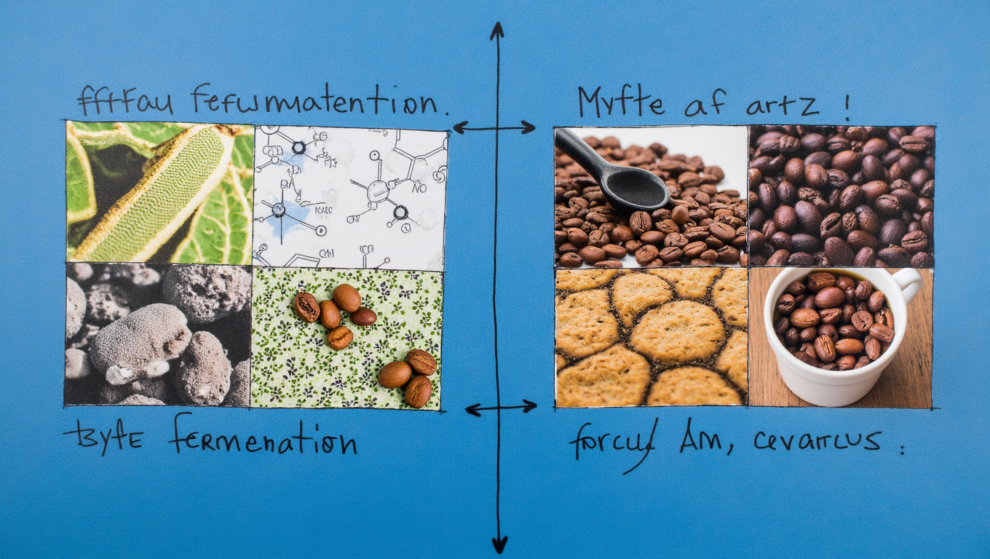
Fermentation is both an art and a science. Producers carefully adjust temperature, oxygen exposure, and microbial activity to influence acidity, sweetness, and mouthfeel. It links biology, chemistry, and craftsmanship, transforming raw coffee cherries into beans with distinct origin characteristics. Proper fermentation is therefore essential for producing high-quality coffee that is flavorful, balanced, and expressive of its terroir.