





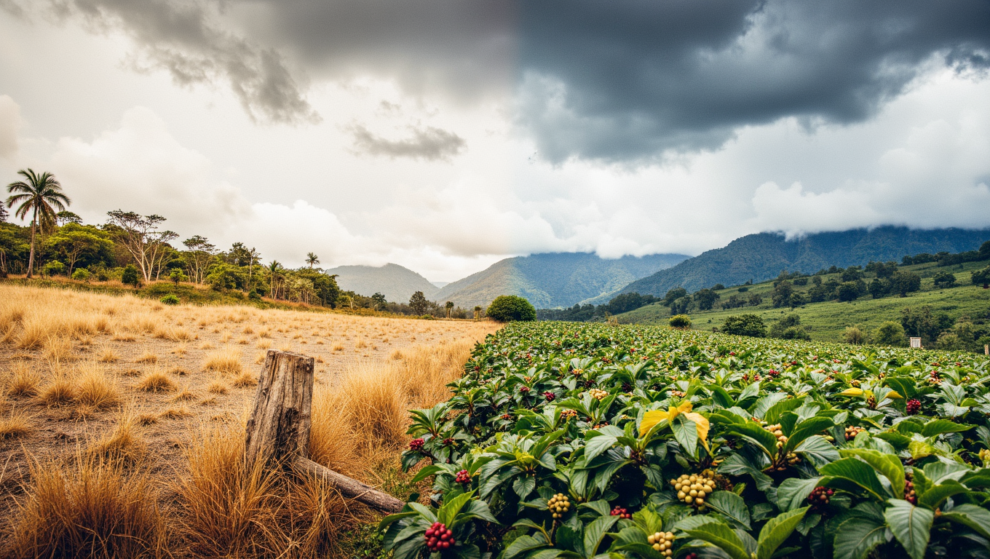


Coffee climate refers to the specific environmental conditions required for coffee plants—primarily Coffea arabica and Coffea canephora (Robusta)—to grow, thrive, and produce high-quality beans. Coffee is a tropical crop that needs consistent temperatures, adequate rainfall, and moderate humidity. Arabica generally grows best at higher altitudes between 1,000 and 2,000 meters with temperatures between 15–24°C, while Robusta tolerates lower altitudes and higher temperatures around 24–30°C. The right climate influences bean development, acidity, sweetness, and overall flavor complexity.
Rainfall and seasonal patterns are equally crucial. Coffee plants need well-distributed rainfall, ideally 1,200–2,000 mm per year, with a dry season to trigger flowering. Excessive rain, frost, or prolonged drought can damage plants and reduce yields. Soil quality, drainage, and exposure to sunlight—factors closely tied to climate—also affect bean size, density, and the chemical compounds that define taste.
Climate profoundly shapes coffee culture and the global coffee economy. Changes in temperature and rainfall patterns due to climate change are forcing farmers to adjust altitudes, shift cultivation regions, and adopt shade-grown or irrigation methods. Understanding coffee climate is essential for predicting quality, planning harvests, and ensuring the sustainability of coffee production worldwide.