








Coffee and the Spanish Breakfast Ritual: From Old Times to the Present, and Its Social Value
Coffee has long held a special place in Spanish daily life, especially within the breakfast ritual that begins the day for millions across the country. While Spain is not a coffee-producing nation, its relationship with coffee is deep, cultural, and strongly tied to social interaction. From modest old-time cafés to today’s modern specialty coffee bars, the Spanish breakfast ritual reflects changing lifestyles while preserving its strong social essence.
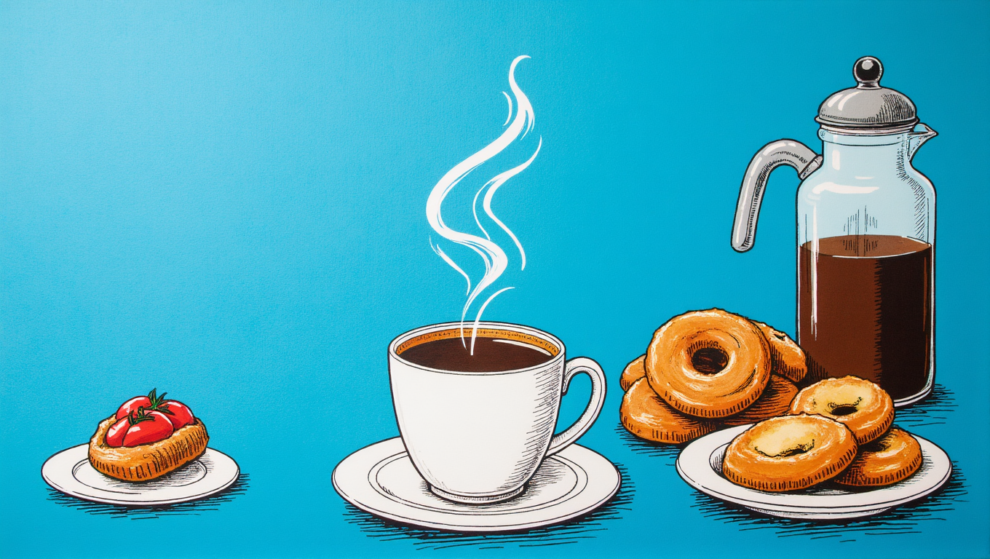
In old times, Spanish breakfast was simple, practical, and shaped by working-class routines. During the late 19th and early 20th centuries, breakfast was often taken outside the home, especially by laborers, artisans, and traders. A small cup of strong coffee—usually café solo or café con leche—was paired with bread, sometimes rubbed with tomato and olive oil, or served as churros dipped in thick hot chocolate. Cafés and bares de barrio became early-morning gathering spots where people stood at the counter, drank quickly, exchanged local news, and headed off to work. Coffee was less about indulgence and more about energy, habit, and human connection.
These early cafés played an important social role. They acted as informal meeting places where politics, football, business, and community matters were discussed. For many, the café was an extension of the street—open, lively, and accessible. Even during difficult periods such as the post-war years, coffee breaks offered a moment of normalcy and shared routine. The ritual of greeting the barista, ordering the usual, and chatting briefly with neighbors created a sense of belonging and continuity.
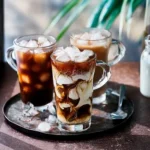
In present times, the Spanish breakfast ritual has evolved but remains culturally significant. While many people now drink coffee at home due to faster lifestyles, breakfast outside is still common, especially in cities. The classic combination of café con leche and tostada con tomate continues to dominate, but options have expanded. Croissants, bollería, fresh juice, and even international breakfast items now appear on menus. Specialty coffee culture has also entered Spain, particularly in urban areas like Madrid, Barcelona, and Valencia, introducing espresso variations, single-origin beans, and latte art—without replacing traditional preferences.
Despite modernization, the social value of coffee in Spain remains strong. Breakfast coffee is often a shared experience with colleagues, friends, or family members. Business meetings are commonly held over morning coffee, and casual conversations at neighborhood cafés still thrive. The act of “tomar un café” is less about the drink itself and more about pausing, connecting, and being present. Even a short five-minute coffee stop carries social meaning.
In essence, coffee in the Spanish breakfast ritual is a bridge between past and present. While the settings, tastes, and pace of life have changed, coffee continues to serve as a daily anchor—linking generations, strengthening social bonds, and preserving a uniquely Spanish way of starting the day.