




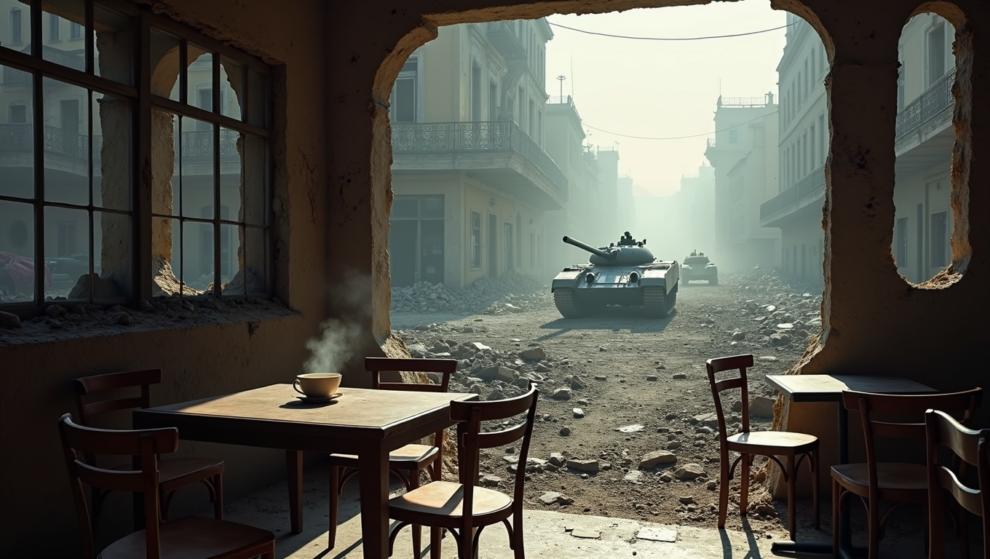


The coffee shortages that began during World War I disrupted a habit that had once seemed unbreakable. As trade routes collapsed and imports became uncertain, genuine coffee beans grew scarce and expensive. To stretch limited supplies, sellers and households began mixing coffee with roasted substitutes—dry legumes and grains such as chickpeas, barley, and even lentils. While these additions mimicked the color of coffee, they could not reproduce its aroma, richness, or stimulating effect. For many people, the familiar pleasure of coffee was replaced by a thin, bitter brew that felt like a poor imitation of what they once knew.
Over time, this decline in quality changed public taste and trust. People no longer felt confident that what they were drinking was truly coffee, and disappointment became common. Tea, on the other hand, remained more reliable and consistent in flavor during these difficult years. Easier to source and less frequently adulterated, tea offered comfort and certainty in a period marked by instability and rationing. Gradually, households began to favor tea, not necessarily out of preference, but out of necessity and practicality.
Thus, the wartime shortages and the widespread practice of mixing coffee with substitutes unintentionally reshaped everyday drinking habits. Coffee, once central to social life and morning rituals, temporarily lost its dominance, while tea stepped in as a dependable alternative. This shift reveals how economic hardship and supply crises can quietly transform cultural traditions, even those as deeply rooted as the choice between coffee and tea.
Coffee has long played a role far beyond being a simple morning beverage. Its influence extends into culture, social life, and even military history. The concept of Coffee and War drink highlights how this humble beverage has been intertwined with human conflict, providing both physical sustenance and psychological comfort to those involved in warfare. From energizing soldiers to shaping battlefield strategies, coffee has had a surprising impact throughout history.
The Historical Origin of Coffee in Warfare
Understanding Coffee and War history requires looking back at the origins of coffee and its integration into military life. The Coffee and War origin can be traced to the 17th and 18th centuries when coffee became widely available in Europe. Armies quickly discovered that coffee could serve as an effective stimulant, keeping soldiers alert during long campaigns. Its ability to provide sustained energy made it an essential part of military logistics and daily routines for soldiers.
The Coffee and War historical impact is evident in several conflicts, including the Napoleonic Wars and World Wars I and II. Commanders and strategists recognized that a cup of coffee could improve morale, sharpen focus, and even enhance the efficiency of troops. The widespread use of coffee in military contexts demonstrates how this beverage became intertwined with warfare strategy and operational readiness.
Coffee as a Military Necessity
The Coffee and War military use was not limited to morning routines. Soldiers relied on coffee to maintain alertness during long night watches, strenuous campaigns, and battle preparations. The beverage provided an immediate Coffee and War energy boost, essential for endurance in high-stress environments. Its natural Coffee and War caffeine content improved both physical and mental performance, making it a strategic resource for armies.
Military rations often included instant or ground coffee, enabling Coffee and War wartime brewing even in harsh conditions. From small field stoves to improvised methods in the trenches, soldiers adapted coffee preparation techniques to suit their circumstances. These improvisations contributed to the evolution of coffee culture and the spread of new brewing methods.
Coffee’s Cultural Influence During Conflict
Beyond its practical uses, coffee influenced the Coffee and War culture in broader society. The beverage was not only consumed on the battlefield but also in cafés where discussions of strategy, politics, and diplomacy took place. This intersection of Coffee and War social influence shows how coffee acted as a connector between military operations and civilian life. Soldiers returning from campaigns often carried their coffee habits with them, influencing local coffee traditions.
The Coffee and War cultural significance is further seen in how coffee shaped wartime morale. In times of scarcity, a hot cup of coffee could provide comfort and a sense of normalcy. Cafés, military mess halls, and even home kitchens became places where coffee facilitated both camaraderie and emotional resilience.
Brewing Methods and Consumption
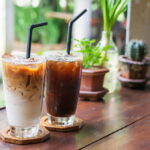
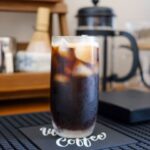
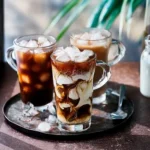
The ways in which coffee was prepared in wartime reflect both ingenuity and necessity. Coffee and War hot coffee was the most common method, providing warmth and stimulation in cold or stressful conditions. In warmer climates or during summer campaigns, Coffee and War iced coffee became a practical alternative, ensuring that soldiers could still enjoy the beverage’s energizing effects.
For those exploring Coffee and War homemade methods, simplicity and efficiency were key. The Coffee and War preparation steps often involved boiling water over a fire, adding ground coffee, and straining or settling the grounds. Despite its simplicity, the Coffee and War flavor profile remained rich and satisfying, emphasizing the robust characteristics that soldiers came to rely on.
Coffee as Strategy and Morale Booster
Coffee was often considered a tactical tool. Coffee and War strategy involved not just its distribution but also its timing. Commanders understood that providing coffee before a major operation could enhance focus, alertness, and reaction time. The drink was also a morale booster, offering a small ritual of comfort amidst the uncertainty of conflict.
The Coffee and War soldiers experience highlights how coffee became a shared ritual. Gathering for a cup of coffee, whether in the field or behind the lines, provided opportunities for discussion, planning, and stress relief. It reinforced social bonds and created a sense of community even in the most challenging circumstances.
Coffee Variations and Specialty Preparations
Even during wartime, coffee diversity flourished. Coffee and War coffee consumption included not only basic black coffee but also various Coffee and War coffee variations. Soldiers experimented with adding sugar, spices, or condensed milk, which eventually influenced modern coffee practices. For enthusiasts, exploring Coffee and War specialty coffee offers insight into how conflict accelerated the development of new coffee flavors and preparation techniques.
For those interested in learning, a Coffee and War coffee guide can provide both historical context and practical methods to recreate traditional military-style coffee at home. Coffee and War for beginners emphasizes straightforward recipes and accessible brewing techniques while maintaining authenticity.
Barista and Café Influence
The influence of wartime coffee extended to professional settings. Coffee and War barista style techniques today often draw inspiration from the resourcefulness seen in military brewing. Many modern cafés feature Coffee and War menu drinks that pay homage to these traditional methods. This connection bridges historical context with contemporary coffee culture, offering a taste of the past alongside modern refinements.
Coffee and War café style establishments recreate the atmosphere and ritual associated with coffee in historical contexts, emphasizing community, conversation, and careful preparation. Patrons can explore Coffee and War drink ideas that celebrate both taste and heritage.
Cognitive and Physical Benefits
Beyond social and cultural roles, the beverage provided tangible cognitive benefits. Its Coffee and War brain boost effect helped soldiers maintain alertness, coordination, and focus during operations. The combination of caffeine and ritual offered a Coffee and War focus coffee effect, which improved decision-making and sustained mental effort during extended periods of stress.
The physical benefits were equally important. Coffee provided an energy source that could sustain soldiers through demanding campaigns, making it a reliable Coffee and War energy boost. This dual advantage of mental and physical enhancement made coffee a critical component of military life.
Legacy and Modern Trends
The legacy of Coffee and War drink extends into today’s coffee culture. Many of the practices developed during wartime—such as field brewing, improvisation, and resourceful preparation—have influenced modern coffee techniques. Coffee and War trends today include both historical recreations and modern adaptations that celebrate coffee’s enduring impact on human activity.
From historical cafés to modern specialty shops, the influence of military coffee culture can be seen in preparation methods, flavor experimentation, and social rituals. Coffee continues to serve as a connector between people, echoing the communal and strategic roles it played during conflicts.
Conclusion
Coffee and War demonstrates how a simple beverage can carry profound historical, cultural, and practical significance. From its origins in military camps to its influence on modern cafés, the Coffee and War drink has shaped human experience in ways few other beverages have. Its Coffee and War historical impact, role as an energy boost, and enduring presence in social and cultural contexts show that coffee is more than just a drink—it is a tool for connection, survival, and tradition.
For beginners and enthusiasts alike, exploring Coffee and War preparation steps, experimenting with Coffee and War coffee variations, and appreciating its historical context offers a unique perspective on the enduring power of coffee. Whether served hot or as an iced coffee, brewed professionally or homemade, the legacy of Coffee and War continues to influence coffee culture and the ways we enjoy this remarkable beverage today.