







Coffee skillets, often called Kahve Tavası in Ottoman tradition, are specialized pans used for roasting green coffee beans over direct heat. These skillets are typically shallow, wide, and made of metal—sometimes copper or brass—to ensure even heat distribution. Their design allows the...

Layout A (with pagination)
Coffee kettles are essential tools designed to heat water precisely for brewing coffee, influencing both flavor and ritual. Traditional kettles, such as the cezve in Turkish coffee preparation or the gooseneck kettles used in pour-over methods, are crafted to control heat and water flow...
Coffee coolers, historically known as Kahve SoÄŸutucusu in Ottoman culture, are specialized vessels designed to gently lower the temperature of freshly brewed coffee before serving. These coolers allowed the aroma to stabilize and prevented the cup from being uncomfortably hot, ensuring...
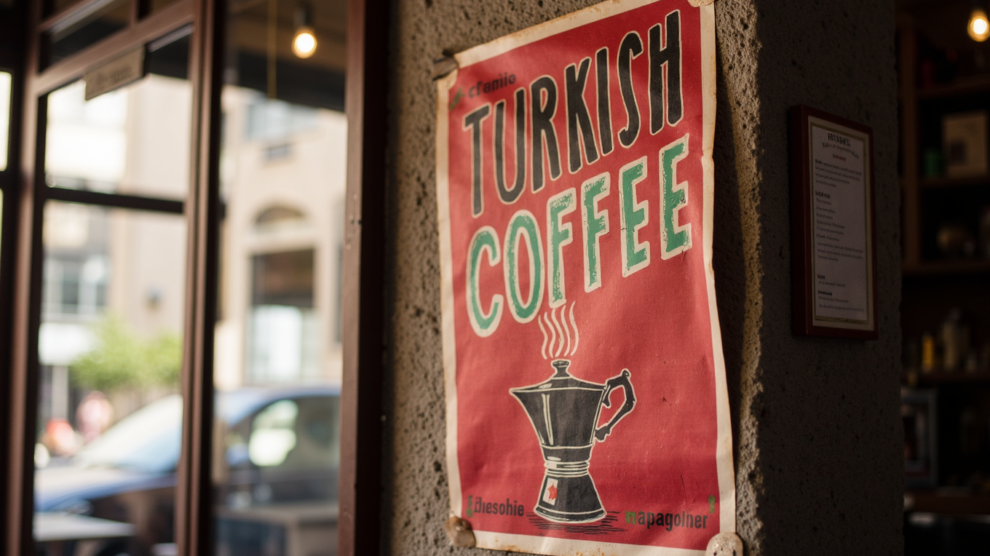
Turkish coffee is one of the world’s oldest and most traditional coffee preparations, known for its fine grind, rich aroma, and unique brewing method. Unlike modern drip or espresso methods, Turkish coffee is made by combining very finely ground coffee with water—and often sugar—directly...
Synthetic inputs in coffee farming refer to man-made substances used to enhance crop growth, protect plants from pests and diseases, and improve yield and quality. These include chemical fertilizers that supply essential nutrients like nitrogen, phosphorus, and potassium; pesticides and...