







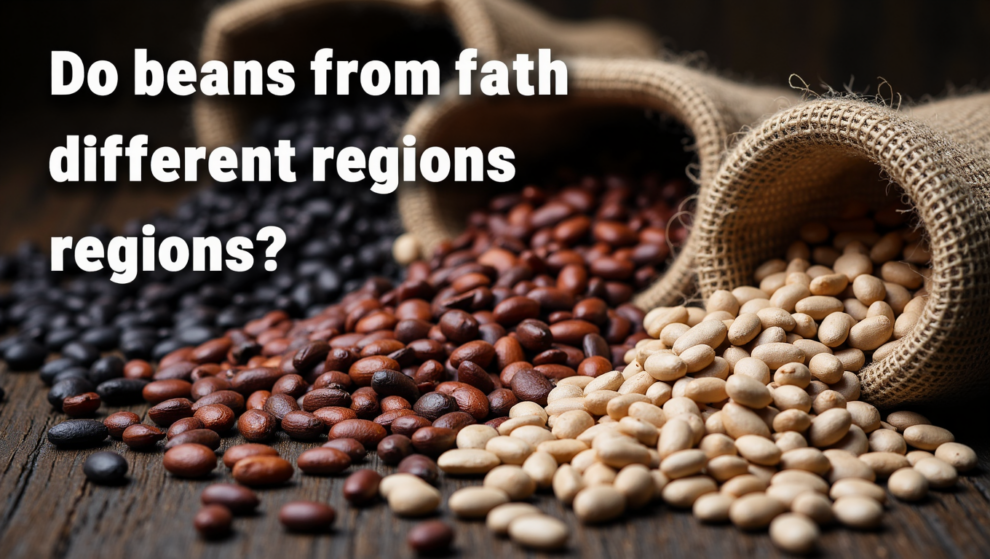


Yes — coffee beans from different regions taste noticeably different, and that’s one of the reasons coffee feels like a worldwide adventure in a cup. Geography shapes flavour. Everything from the soil and altitude to sunlight, rainfall, and local farming techniques influences how a bean develops. When you sip a cup from Ethiopia, Brazil, or Colombia, you’re actually tasting the land where the beans grew.
African Beans – Bright, Fruity, Floral
African coffee regions like Ethiopia, Kenya, and Rwanda are famous for their lively flavours. These beans often carry bright acidity, with notes like blueberry, lemon, jasmine, peach, or bergamot. The taste feels refreshing, colourful, almost like tasting sunlight and flowers. African coffees are popular with people who enjoy complex, playful, fruit-forward cups.
South American Beans – Balanced, Sweet, Smooth
South America gives us iconic producers like Brazil, Colombia, and Peru. Beans from these regions usually taste smooth, sweet, and well-balanced, with hints of chocolate, caramel, nuts, or gentle fruit. They are comforting and easy to drink — the type of flavour most people love in everyday brews.
Central American Beans – Clean, Crisp, Bright Sweetness
Countries such as Costa Rica, Guatemala, and Honduras offer beans with a clean, crisp taste and bright sweetness. Expect flavours like orange, apple, honey, cocoa, or light spice. These coffees feel fresh and lively without being too strong.
Asian Beans – Earthy, Deep, Spicy
From Indonesia, India, and Vietnam, Asian beans tend to have earthy, bold flavours with hints of spice, herbs, dark chocolate, or woodiness. They are low in acidity and feel rich on the tongue. These flavours are great for people who enjoy strong, grounded, full-bodied coffee.
Why the Taste Changes
Different regions have different:
- Soil minerals
- Rainfall levels
- Temperature patterns
- Altitudes
- Processing methods (washed, natural, honey)
All these factors combine to create unique “taste personalities” for each region.