


Chapter 7: Building a Profitable Menu
7.1 Why Menu Design Drives Profitability
Your menu is more than a list of drinks and snacks—it is a strategic tool that influences customer behavior, spending, and loyalty. A thoughtfully designed menu highlights your signature items, encourages higher-margin purchases, and reinforces your coffee shop’s concept. Poorly designed menus can confuse customers, slow service, and hurt profits.
7.2 Understanding Menu Engineering
Menu engineering is the process of designing a menu based on profitability and popularity. Each item is analyzed by its contribution margin (profit per item) and sales volume. Items are categorized as:
- Stars: High profit, high popularity—promote heavily.
- Plowhorses: Low profit, high popularity—serve consistently but control cost.
- Puzzles: High profit, low popularity—highlight through marketing or repositioning.
- Dogs: Low profit, low popularity—consider removing.
Applying menu engineering helps optimize revenue while keeping customer satisfaction high.
7.3 Balancing Coffee and Non-Coffee Items
While coffee is your core product, complementary items—such as pastries, sandwiches, smoothies, and seasonal drinks—boost average order value. Non-coffee items often have higher profit margins than drinks. Pairing beverages with snacks encourages upselling and increases per-customer revenue.
7.4 Pricing Strategies for Profit
Pricing must reflect cost, perceived value, and market expectations. Popular strategies include:
- Cost-plus pricing: Set prices based on ingredient and labor costs plus desired margin.
- Value-based pricing: Price according to customer perception of quality and experience.
- Bundle pricing: Offer combinations, such as coffee and pastry, at a slight discount to encourage multiple-item purchases.
Regularly reviewing prices and adjusting for seasonality or supply costs keeps profitability consistent.
7.5 Signature Drinks and Brand Identity
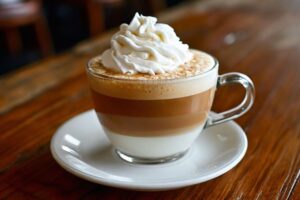
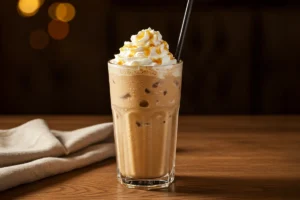
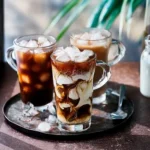
Signature drinks differentiate your café from competitors and strengthen brand identity. Whether it’s a special latte, a unique cold brew, or seasonal flavor creations, these items become talking points that attract repeat customers and social media attention.
Signature drinks also allow you to charge a premium while reinforcing your concept.
7.6 Seasonal Menus and Limited Editions
Introducing seasonal drinks and limited editions keeps the menu fresh and encourages repeat visits. Seasonal offerings create urgency and excitement, increasing customer engagement. Examples include holiday-themed beverages, summer iced coffee specials, and locally inspired flavors.
Limited-time items also allow experimentation with higher-margin products before committing long-term.
7.7 Upselling and Cross-Selling Opportunities
Well-trained staff can increase sales by recommending add-ons or pairing items. Examples:
- Suggesting a pastry with a coffee.
- Offering extra flavors or milk options.
- Promoting a larger cup size or premium toppings.
These strategies subtly increase average order value without being intrusive.
7.8 Menu Layout and Design for Sales
Visual presentation of the menu guides customer decisions. Highlight high-profit items using boxes, larger fonts, or images. Organize the menu logically—hot drinks, cold drinks, snacks, specials—to reduce decision fatigue. Keep descriptions concise yet appealing, emphasizing taste, freshness, or unique ingredients.
Digital menus or boards also allow quick updates and seasonal changes.
7.9 Portion Control and Cost Management
Consistent portion control ensures predictable taste, reduces waste, and maintains profitability. Staff training, measured scoops, and standardized recipes help maintain consistency. Accurate portioning reduces ingredient costs and prevents under- or over-serving.
7.10 Dietary Preferences and Inclusivity
Offering options for lactose-free, vegan, gluten-free, or low-sugar preferences attracts a wider audience. Catering to dietary needs increases customer satisfaction and encourages repeat visits, while positioning your café as modern and inclusive.
7.11 Supplier Collaboration for Menu Innovation
Work with your suppliers to discover new ingredients or products. Innovative offerings, such as single-origin syrups, specialty milk alternatives, or seasonal toppings, can become unique menu items. Suppliers may also provide marketing support, tasting events, or co-branded promotions.
7.12 Testing New Items Before Full Launch
Before adding new items permanently, test them with customers through small batches, tastings, or limited-time availability. Collect feedback on taste, pricing, and presentation. Iterative testing reduces risk of poor-performing products and aligns offerings with customer preferences.
7.13 Menu Simplification for Efficiency
While variety is attractive, an overly long menu can slow service, increase inventory costs, and confuse customers. Focus on a concise, high-quality menu that reflects your concept. Simplifying improves operational efficiency and ensures consistent product quality.
7.14 Monitoring Menu Performance
Track sales data to identify best-selling, high-margin items, and underperformers. Adjust promotions, pricing, or recipes based on this analysis. Regular review keeps the menu aligned with customer demand and profitability goals.
7.15 Key Takeaways from This Chapter
A profitable coffee shop menu balances quality, profitability, and customer experience. By strategically designing the menu, emphasizing high-margin items, and adapting to seasonal trends and customer preferences, you can drive revenue, improve efficiency, and strengthen your brand.