







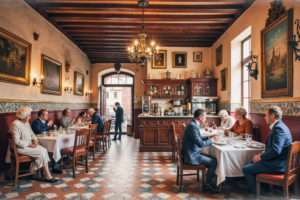
Coffeehouses in 18th-Century Spain In 18th-century Spain, coffeehouses emerged as vibrant social institutions that reshaped urban life. Introduced earlier...
Latest Articles

Coffee entered Spain not merely as a beverage but as a quiet catalyst of intellectual change during the 18th century, the era known as the Spanish...
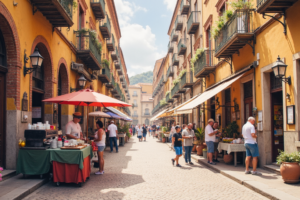
The roots of Spain’s coffee culture are deeply intertwined with the legacy of Moorish rule on the Iberian Peninsula, which lasted for nearly eight centuries...
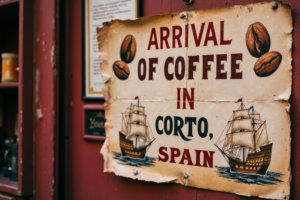
Do you know when coffee arrived in Spain? The arrival of coffee in Spain is closely tied to the country’s long and complex relationship with the Islamic world...

Coffee lifestyle refers to the way coffee becomes part of everyday living, shaping routines, spaces, and social interactions. For many people, coffee is not...
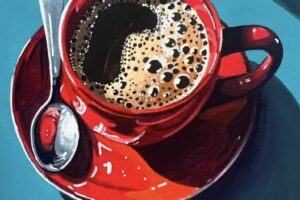
Coffee art is the creative expression that transforms coffee from a beverage into a visual and cultural experience. It is most commonly seen in latte art...

Coffee literature explores how coffee has inspired writers, poets, and thinkers across centuries. In many works, coffee appears as a symbol of wakefulness...

Coffee poetry captures the quiet emotions and fleeting moments that gather around a cup of coffee. Poets often describe coffee as dawn in liquid form, rising...
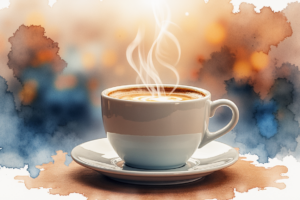
Coffee painting is an artistic technique where brewed coffee replaces traditional paints, using its natural brown tones to create images with warmth and depth...

Coffee photography is the art of capturing coffee in a way that highlights its visual appeal, mood, and culture. It goes beyond simply taking a picture of a...
