






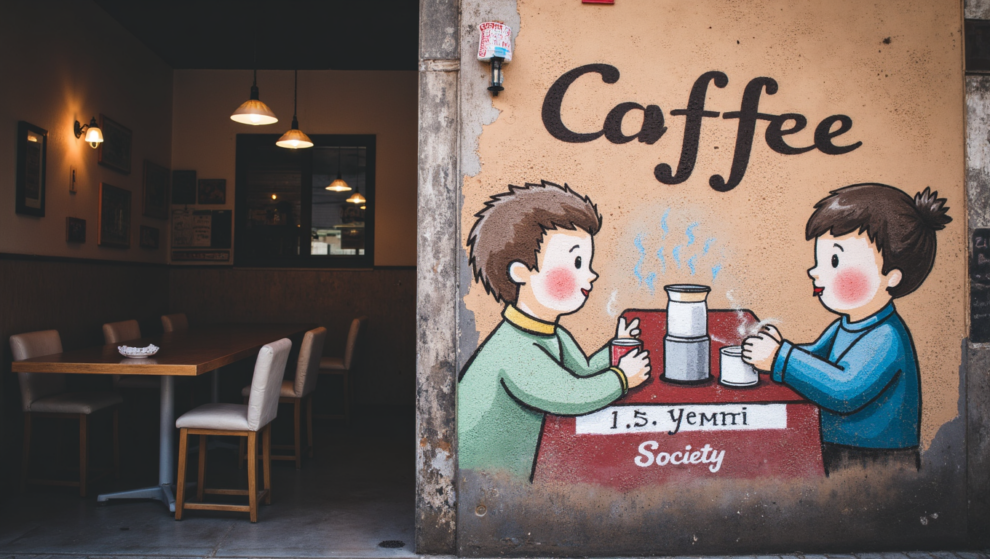


In Yemeni society, coffee was far more than a simple beverage; it was a social bond, a spiritual aid, and an economic lifeline. Grown in the terraced highlands of Yemen, coffee shaped daily routines and long evenings of reflection, especially among Sufi communities who relied on it to remain alert during extended prayers. Over time, coffee moved from religious circles into homes, markets, and communal gatherings, becoming a symbol of hospitality and thoughtful conversation. Yemeni ports, particularly Mocha, turned the drink into a prized export, linking local farmers to distant lands and placing Yemen at the heart of the early global coffee trade. Through these roles, coffee became deeply woven into Yemeni identity, influencing both the rhythm of everyday life and the wider history of the world.
Once Egypt and Yemen came under Ottoman rule in 1517, the political and economic landscape of the empire shifted in ways that directly affected the spread of commodities—and coffee was no exception. Yemen, with its famed port city of Mocha, was already the epicentre of coffee cultivation and trade, while Egypt served as a vital crossroads between the Red Sea and the Mediterranean. With both regions now integrated into Ottoman control, the movement of goods, ideas, and cultural practices became far easier and more structured.
Coffee, already a staple in Yemeni society, began to travel along established trade routes with official sanction, reaching major urban centers across the empire. Istanbul, the thriving heart of the Ottoman world, was naturally on this path. Merchants, pilgrims returning from Mecca, and Ottoman officials all contributed to its spread, bringing with them not only the beans but also the rituals and social customs surrounding its consumption. The introduction of coffeehouses in Istanbul soon followed, marking the drink’s transition from a regional curiosity to an integral part of Ottoman urban life.
Thus, the incorporation of Egypt and Yemen into the Ottoman Empire created a direct conduit for coffee, ensuring that its arrival in Istanbul was not merely probable—it was inevitable. The empire’s vast networks of trade, travel, and cultural exchange allowed coffee to become a shared experience, one that would shape social life, conversation, and even politics within the capital for centuries to come.