

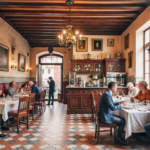

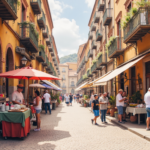




Coffee coolers, historically known as Kahve Soğutucusu in Ottoman culture, are specialized vessels designed to gently lower the temperature of...


Coffee coolers, historically known as Kahve Soğutucusu in Ottoman culture, are specialized vessels designed to gently lower the temperature of...
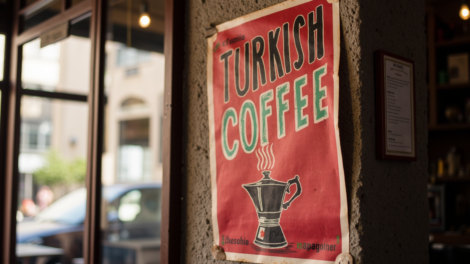
Turkish coffee is one of the world’s oldest and most traditional coffee preparations, known for its fine grind, rich aroma, and unique brewing method...

Synthetic inputs in coffee farming refer to man-made substances used to enhance crop growth, protect plants from pests and diseases, and improve...
The evolution of coffee acreage in Brazil reflects the country’s dynamic agricultural development and its position as the world’s leading coffee...
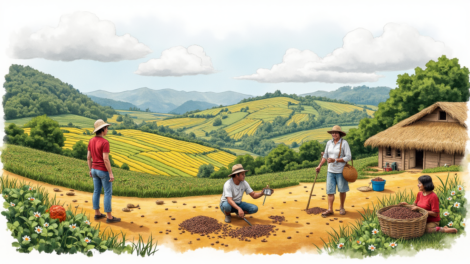
Cooperatives have long played a pivotal role in supporting smallholder coffee farmers in Brazil, offering them access to resources and markets that...
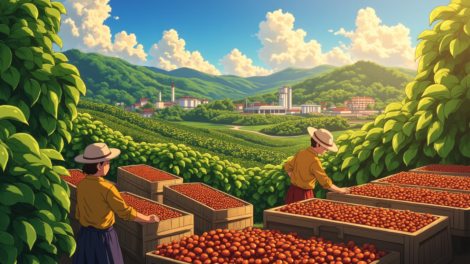
Brazilian coffee production is characterized by a diverse range of producer archetypes, reflecting variations in farm size, technological adoption...
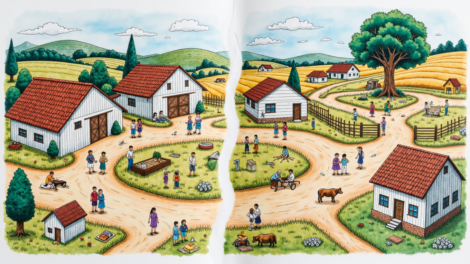
Extra-small family farms in Brazil, typically spanning less than five hectares, form a crucial yet vulnerable segment of the country’s coffee...
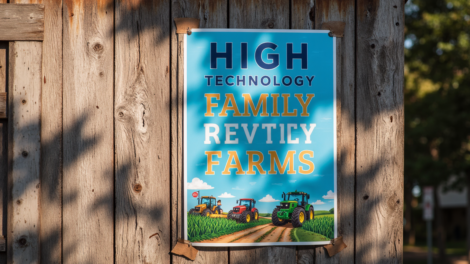
What is disadvantage of manual labour? Family farms have traditionally relied on manual labour, often passed down through generations, where hands-on...
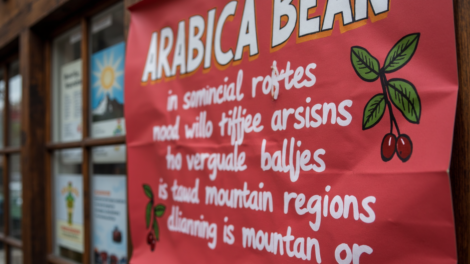
Arabica thrives in high-altitude regions because cooler temperatures and slower maturation allow the coffee cherries to develop more complex sugars...

The coffee market fluctuates when supply, demand, and external conditions change, often unpredictably. Weather is one of the biggest triggers—frosts...


