







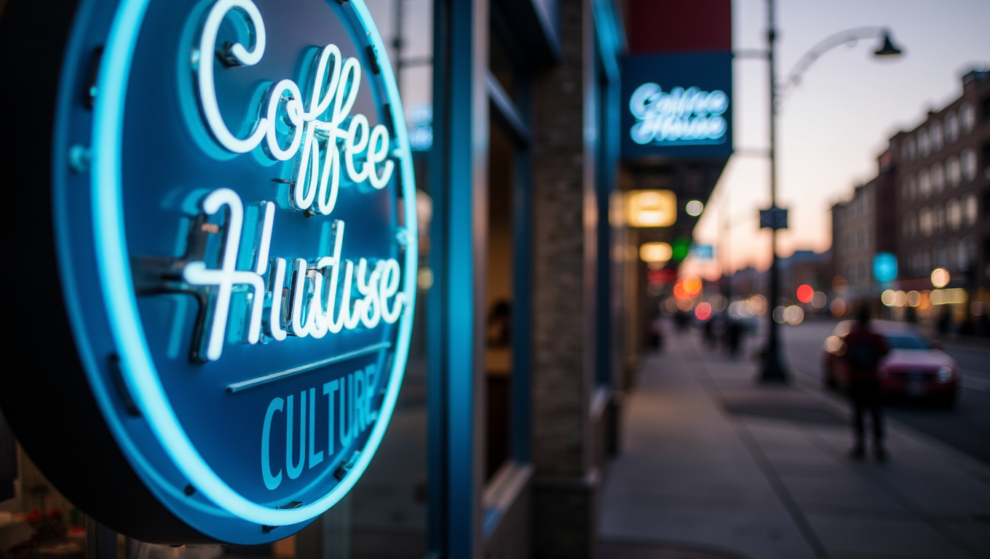


Coffee house culture has long been a vibrant part of social life, blending conversation, creativity, and comfort in one welcoming space. From the bustling cafés of 17th-century Europe to the modern specialty coffee shops of today, coffee houses have served as gathering places where ideas are exchanged and communities are formed. They are more than places to drink coffee—they are cultural hubs that reflect the lifestyle, values, and intellectual spirit of their time. Whether filled with the aroma of freshly brewed espresso or the quiet hum of laptops and discussions, coffee houses continue to hold a special charm.
Historically, coffee houses were often called “penny universities” in England because, for the price of a cup of coffee, one could engage in thoughtful discussions on politics, literature, science, and philosophy. Writers, artists, merchants, and revolutionaries met in these spaces to debate ideas and shape public opinion. In cities like Istanbul, Vienna, Paris, and London, coffee houses became symbols of intellectual freedom and social interaction. They played a key role in spreading news, encouraging artistic movements, and even influencing political change. This rich heritage has given coffee house culture a legacy of openness and dialogue.
In the modern world, coffee house culture has evolved while preserving its core spirit. Today’s cafés combine tradition with innovation, offering cozy interiors, Wi-Fi connectivity, live music, and diverse brewing styles from classic Americano to artisanal pour-over. They serve as informal offices for freelancers, study corners for students, and relaxing spots for friends and families. The atmosphere—soft lighting, warm décor, and the comforting scent of roasted beans—creates an inviting environment that encourages both productivity and relaxation. As cities grow busier, coffee houses remain cherished sanctuaries where people pause, connect, and enjoy life one cup at a time.