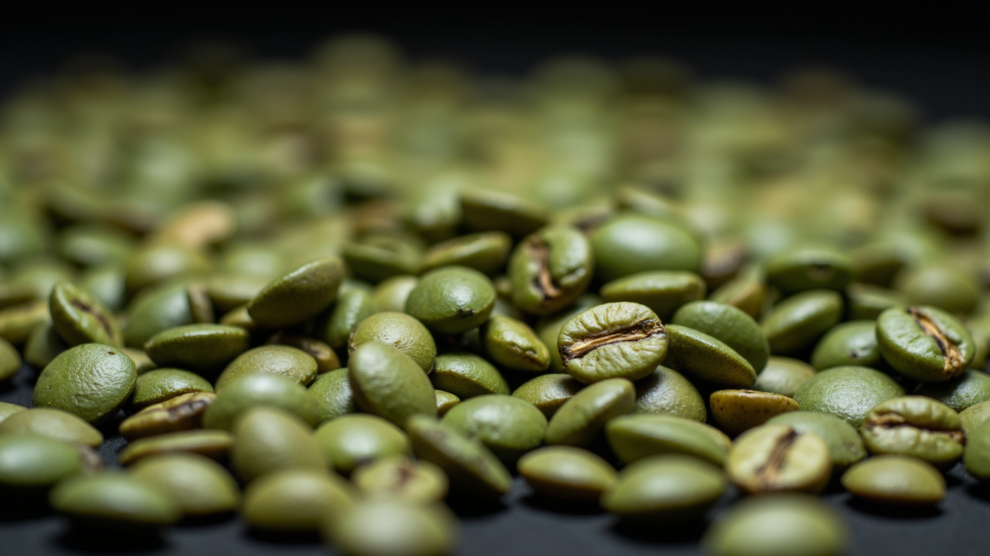








The coffee market fluctuates when supply, demand, and external conditions change, often unpredictably. Weather is one of the biggest triggers—frosts, droughts, or excessive rain in major producing countries like Brazil or Vietnam can reduce harvests and immediately push prices up. On the...
Layout A (with pagination)
The transportation and logistics chain for coffee from Brazil begins at inland farms, often located far from seaports, where harvested coffee cherries are processed into green beans through washing, drying, and grading. Once prepared for export, the beans are packed in jute or lined bags...
Standard export cost for coffee refers to the commonly accepted set of expenses required to move coffee from origin to an international buyer under normal trading conditions. It typically includes the cost of green coffee at origin, processing and quality control, packaging in export...
Estimating the cost of exporting coffee involves many factors, and the reality is that prices rarely depend on beans alone. Beyond the farm-gate price, exporters must account for processing, grading, packaging, and storage, all of which vary by origin and quality standards. Logistics play...
Making an Americano is not difficult—unless you count the emotional decision of choosing how strong you want it. Technically, it’s just hot water meeting espresso, like two old friends catching up politely. No complicated foam art, no milk chemistry experiments, and no mysterious barista...