






Chapter 2: Understanding the Global Coffee Industry
2.1 Introduction to the Global Coffee Market
Coffee is one of the most traded commodities globally, second only to oil. Millions of farmers, exporters, roasters, and retailers depend on this supply chain, and the market generates billions of dollars annually. Coffee consumption is no longer limited to traditional espresso drinks in cafés; the rise of specialty coffee, premium beans, and online sales has transformed it into a global lifestyle industry.
For entrepreneurs looking to enter the dropship coffee business, understanding the global market dynamics is essential. It is not just about selling coffee online—it is about identifying trends, sourcing the right beans, and knowing which regions produce the flavors your customers will love.
2.2 Major Coffee Producing Countries
Coffee grows best in the tropical regions known as the “coffee belt”, between the Tropics of Cancer and Capricorn. The world’s top producers supply the majority of beans used by roasters, cafés, and online retailers.
Country
Production (Metric Tons/Year)
Notes
Brazil
3,000,000+
Largest producer; smooth, chocolatey flavor; ideal for espresso blends
Vietnam
1,500,000+
Robusta beans dominate; high caffeine content; strong coffee
Colombia
800,000+
Arabica beans; fruity, bright acidity; premium quality
Ethiopia
400,000+
Birthplace of coffee; floral, wine-like flavors; ideal for specialty dropship
Practical Insight for Dropship Entrepreneurs:
When selecting your niche, knowing the origin of your coffee beans allows you to tell a compelling story to customers.
High-altitude beans (like Ethiopian or Colombian) are perceived as premium and specialty, allowing higher pricing.
Countries like Vietnam and Brazil are ideal for bulk orders or strong blends, which are popular in subscription models.
2.3 Coffee Consumption Trends
Consumer preferences have evolved significantly. Understanding these trends can help you position your dropship coffee brand strategically.
- Specialty Coffee Growth
Consumers are shifting from mass-market coffee to specialty and single-origin beans. This trend is especially strong among millennials and Gen Z, who are willing to pay more for unique flavors, ethical sourcing, and artisanal production methods. - Online Coffee Sales
The rise of e-commerce and online subscriptions has made it easier for consumers to order coffee directly from their favorite brands. Customers value freshly roasted beans delivered to their door, which aligns perfectly with dropshipping models. - Sustainability and Ethical Sourcing
Modern coffee buyers are conscious of how beans are produced. Brands emphasizing fair-trade, organic, and eco-friendly practices gain customer loyalty and justify premium pricing. - Convenience Products
Ready-to-drink coffee, instant premium coffee, and cold brew bottles are increasingly popular. While dropshipping may focus on beans, offering related convenience products can expand your brand.
2.4 Understanding Coffee Bean Types
Knowing the different types of coffee beans is essential for selecting suppliers and creating a niche.
Bean Type
Description
Best for
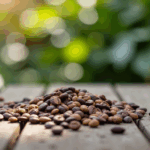
Arabica
Smooth, aromatic, less caffeine
Premium and specialty coffee
Robusta
Strong, high caffeine, slightly bitter
Espresso blends, instant coffee
Liberica
Rare, smoky, fruity
Niche specialty markets
Excelsa
Tart and fruity, used in blends
Flavor layering in blends
Pro Tip: For dropship coffee, focusing on Arabica beans allows you to market a premium brand with higher profit margins. Robusta is better suited for high-caffeine blends or budget-oriented markets.
2.5 Coffee Roasting and Its Impact
Roasting transforms green coffee beans into the flavorful product customers drink. Understanding roasting levels can help you explain your product to buyers and build trust.
Roast Level
Flavor Profile
Target Audience
Light
Bright, acidic, floral
Specialty coffee enthusiasts
Medium
Balanced, smooth, sweet
General coffee drinkers
Dark
Bitter, chocolatey, smoky
Espresso lovers
Dropship suppliers may offer private-label roasting. Choosing the right roast profile ensures your brand meets customer expectations and reduces complaints.
2.6 Pricing Trends and Market Demand
The global market shows a clear trend: consumers are willing to pay more for premium coffee.
Average online retail price for specialty coffee: $20–$30 per 250g bag
Average cost to supplier: $8–$12 per 250g bag
Profit margin: $10–$15 per order
Subscription models can further increase revenue and stabilize cash flow.
Case Study:
A dropship brand selling Ethiopian single-origin coffee started with $500 investment. By offering a $25 monthly subscription and marketing on Instagram, it reached 200 subscribers in 3 months, generating $5,000 recurring revenue per month.
2.7 The Impact of E-Commerce Platforms
Platforms like Shopify, WooCommerce, and BigCommerce allow entrepreneurs to manage stores efficiently.
Automated order forwarding to suppliers
Integrated payment gateways
Marketing and analytics tools
Customizable design for branding
Using these platforms reduces operational complexity and allows you to focus on customer experience and marketing.
2.8 Mini-Exercise for Entrepreneurs
Before moving forward, consider:
Research the top 5 coffee-producing countries for your target flavor.
Identify 3 potential niches: organic, premium single-origin, or espresso blends.
Check current online prices and subscription models.
Write a 200-word description of your future coffee brand story.
This exercise ensures you understand the market and are ready to define your niche and brand.
2.9 Summary
Understanding the global coffee industry is critical for dropship success. Key takeaways:
Know the producing countries and their bean types.
Follow trends: specialty, sustainability, and online subscriptions.
Understand roasting, flavors, and consumer preferences.
Use e-commerce platforms to streamline operations.
Identify niches with high demand and profitability potential.
In the next chapter, we will explore what coffee dropshipping actually is, how it works step-by-step, and why it is the ideal business model for aspiring coffee entrepreneurs.aa


